Caring with computers
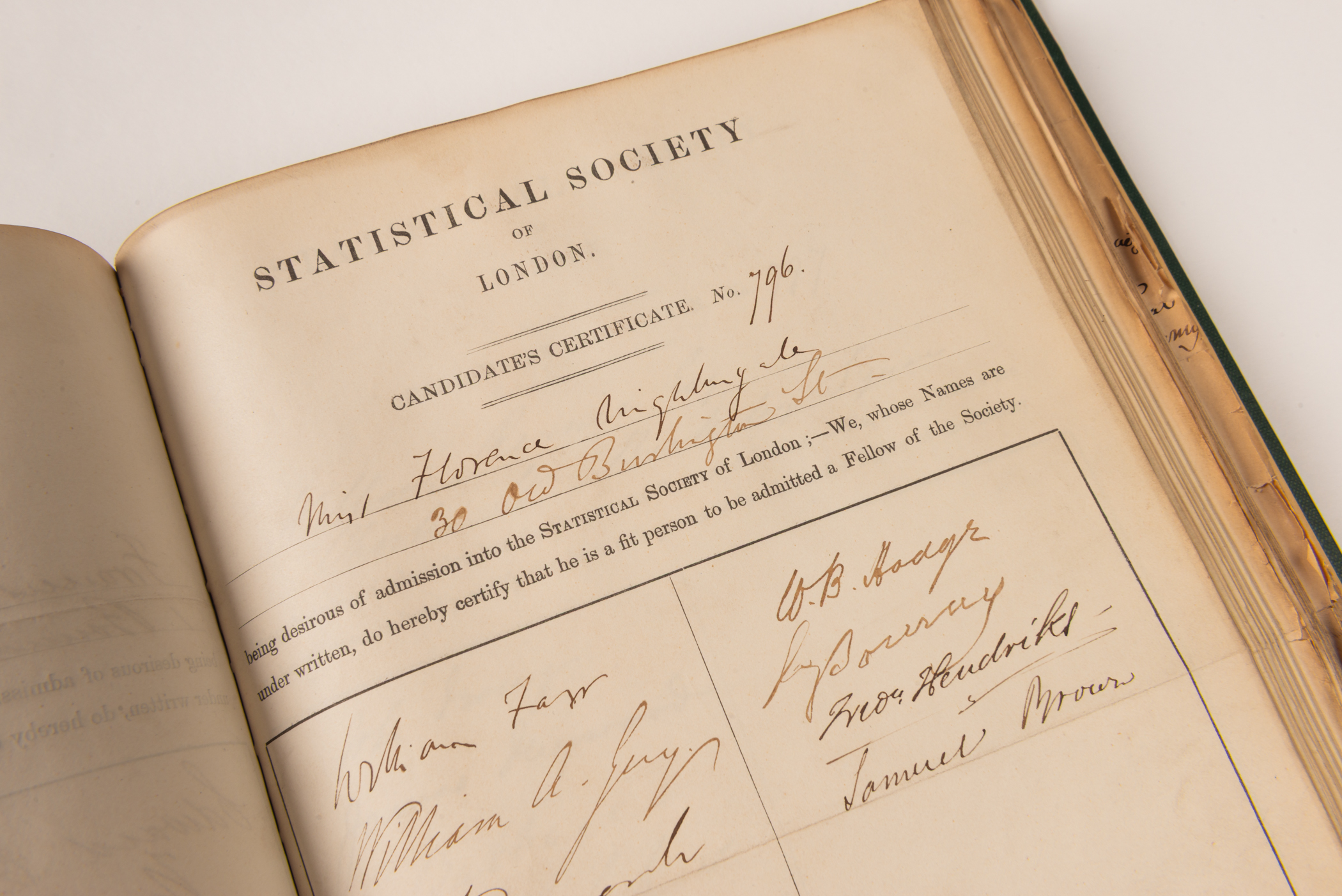
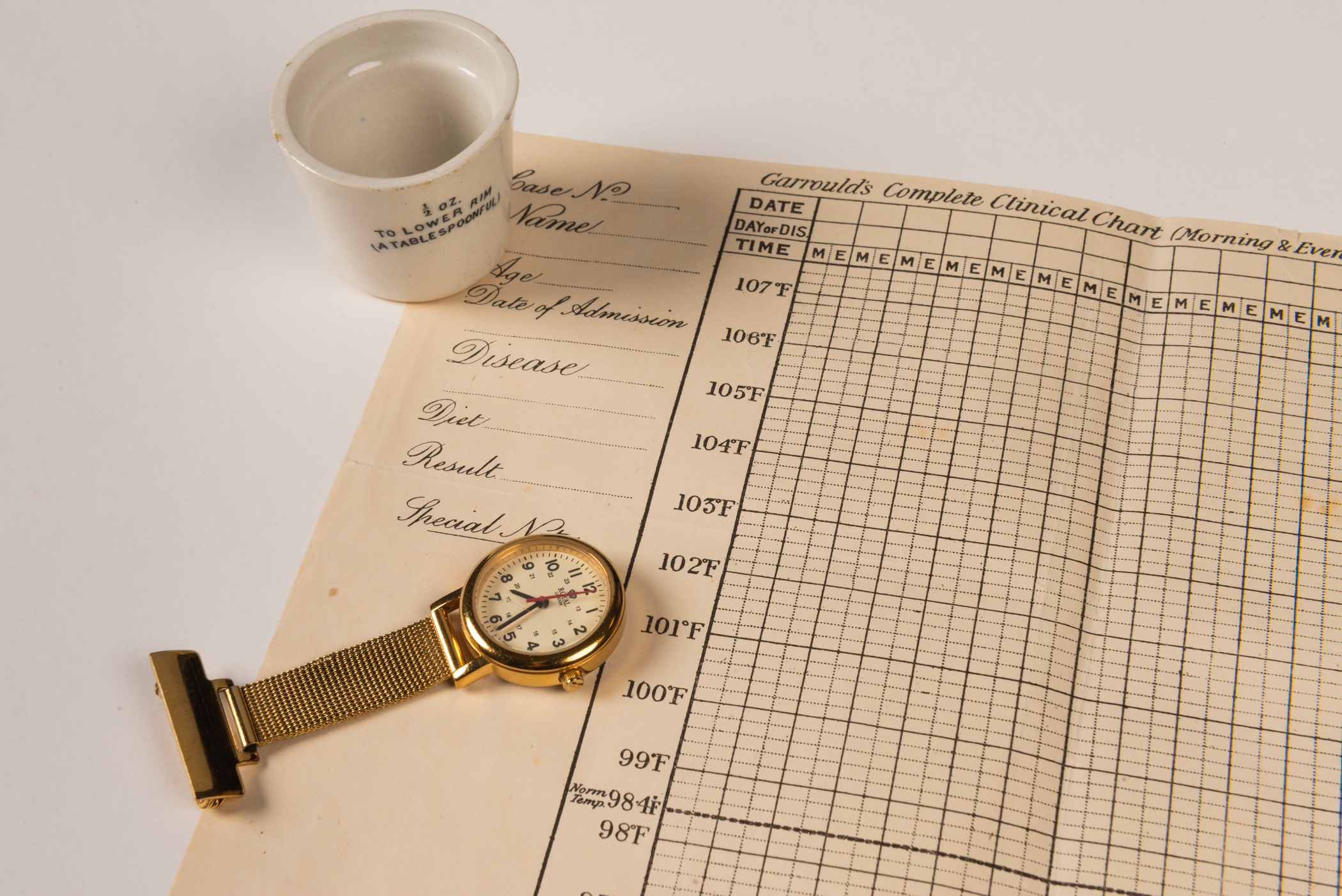
Data played a crucial role in nursing long before computers. Florence Nightingale was herself a pioneering data scientist. She famously used statistics to show the impact of disease on the British Army in the Crimean War and the urgent need to improve hospital conditions. In 1858, she became the first woman elected to the Royal Statistical Society.
The ethical challenges of data gathering and analysis existed long before today’s concerns about algorithmic bias and the power of Big Tech. Nightingale was not alone in a desire to use statistics to solve social problems. She wrote to numerous scientists, including Francis Galton, for advice. Galton notoriously coined the term ‘eugenics’, a practice which aimed to improve society by deciding who ‘should’ (and ‘should not’) have children.
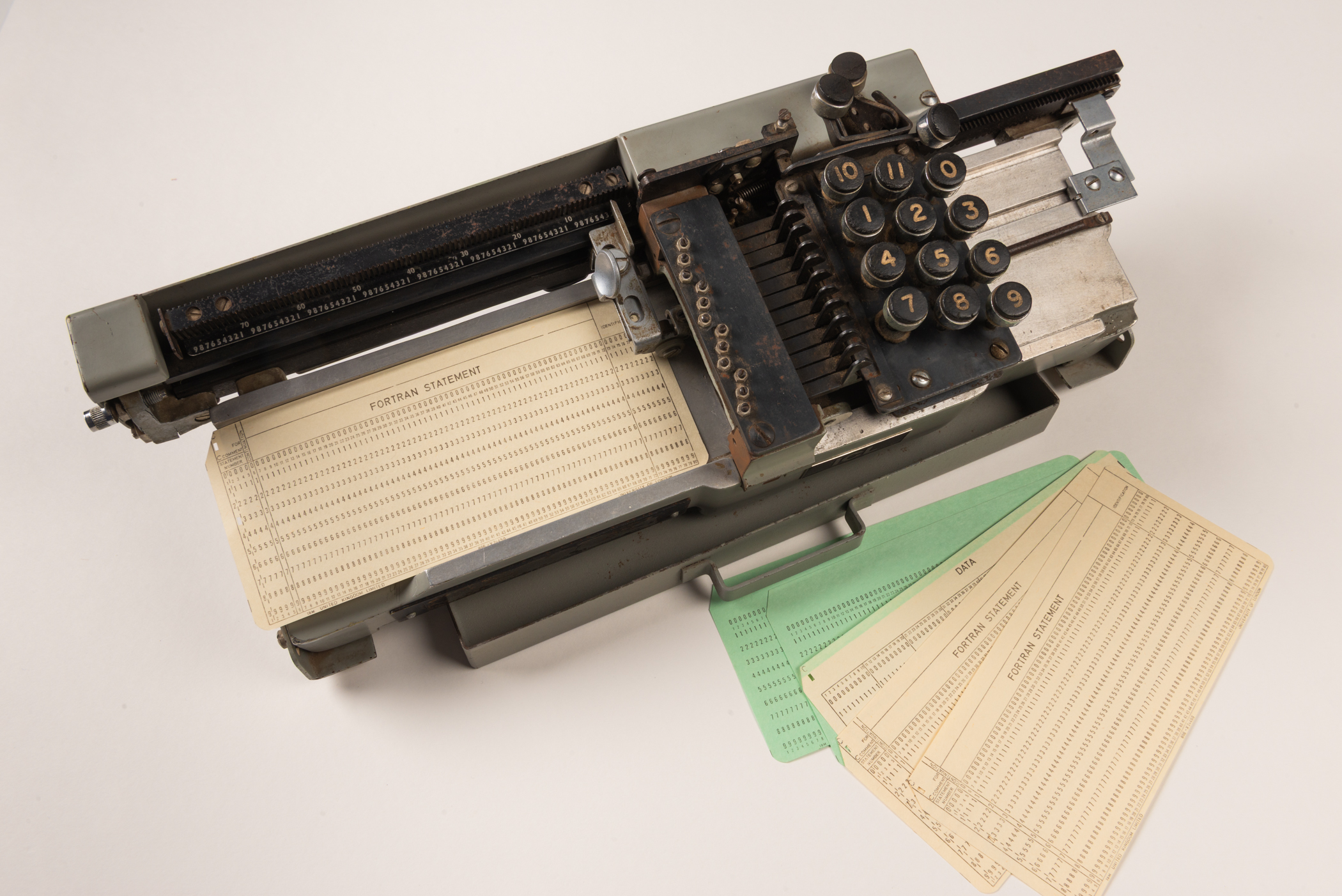
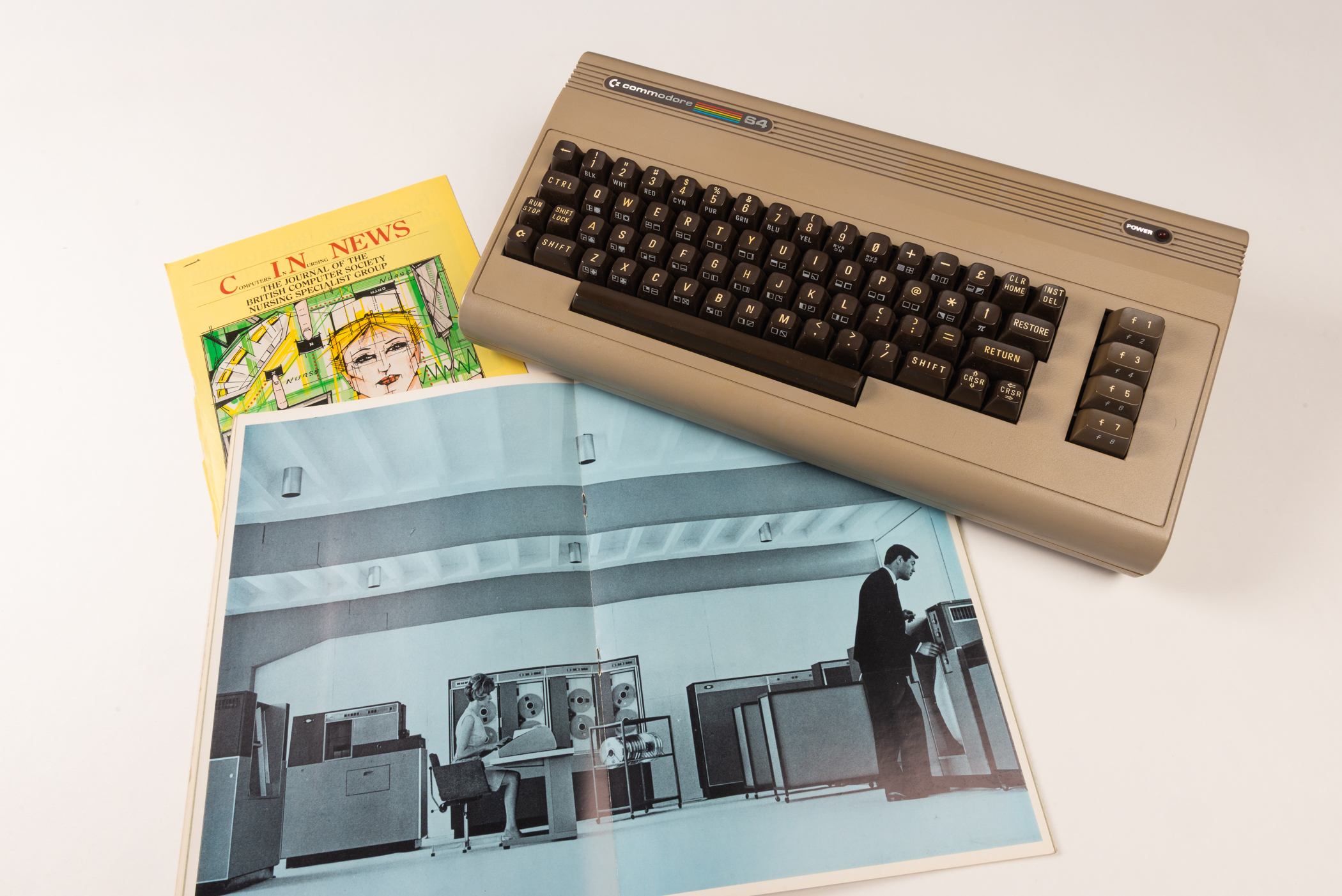
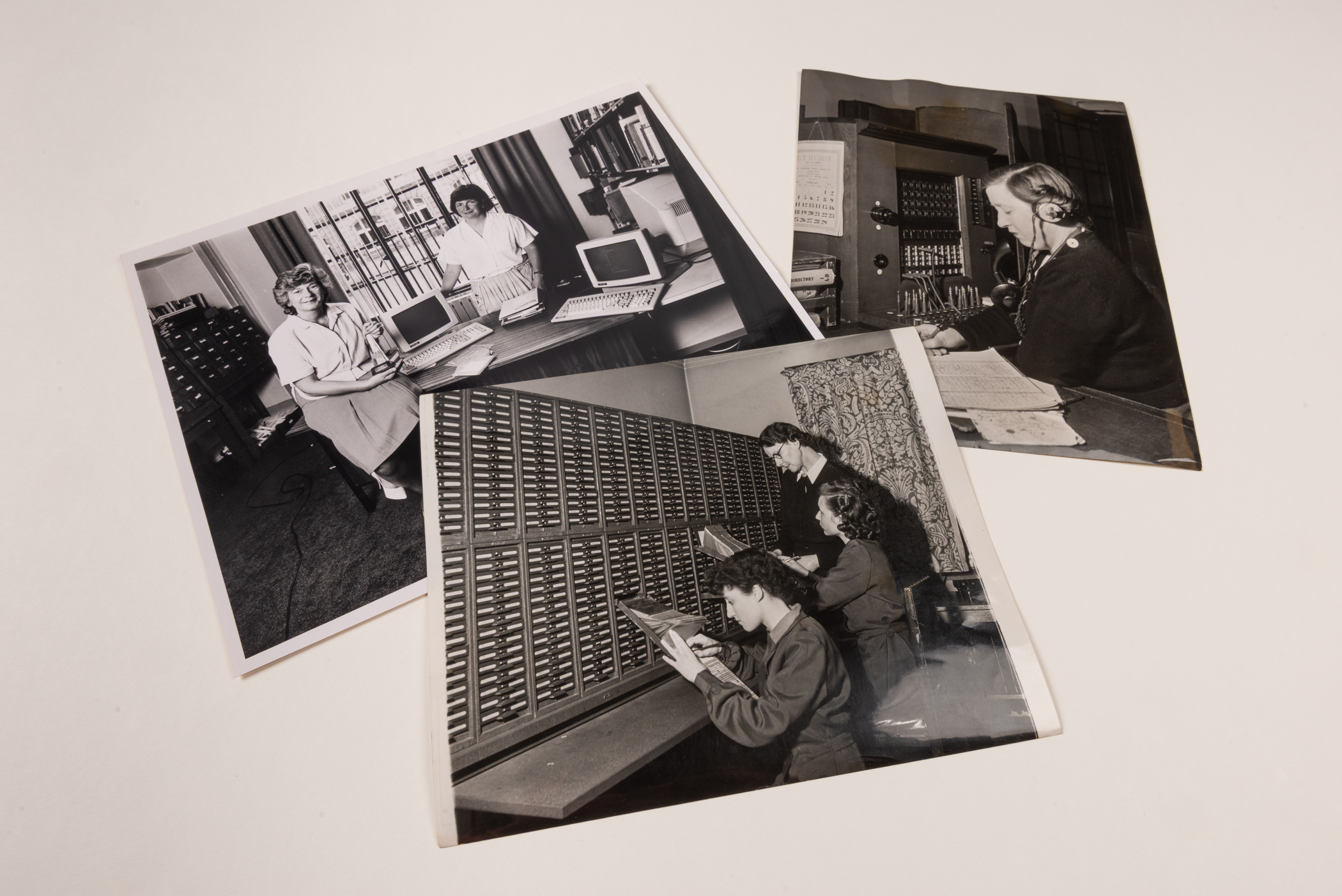
Early automated data analysis was carried out using punched cards, first introduced for the 1890 US Census. By the 1950s, punched card technology was being used to explore a range of subjects in nursing from psychometric testing to pain responses.
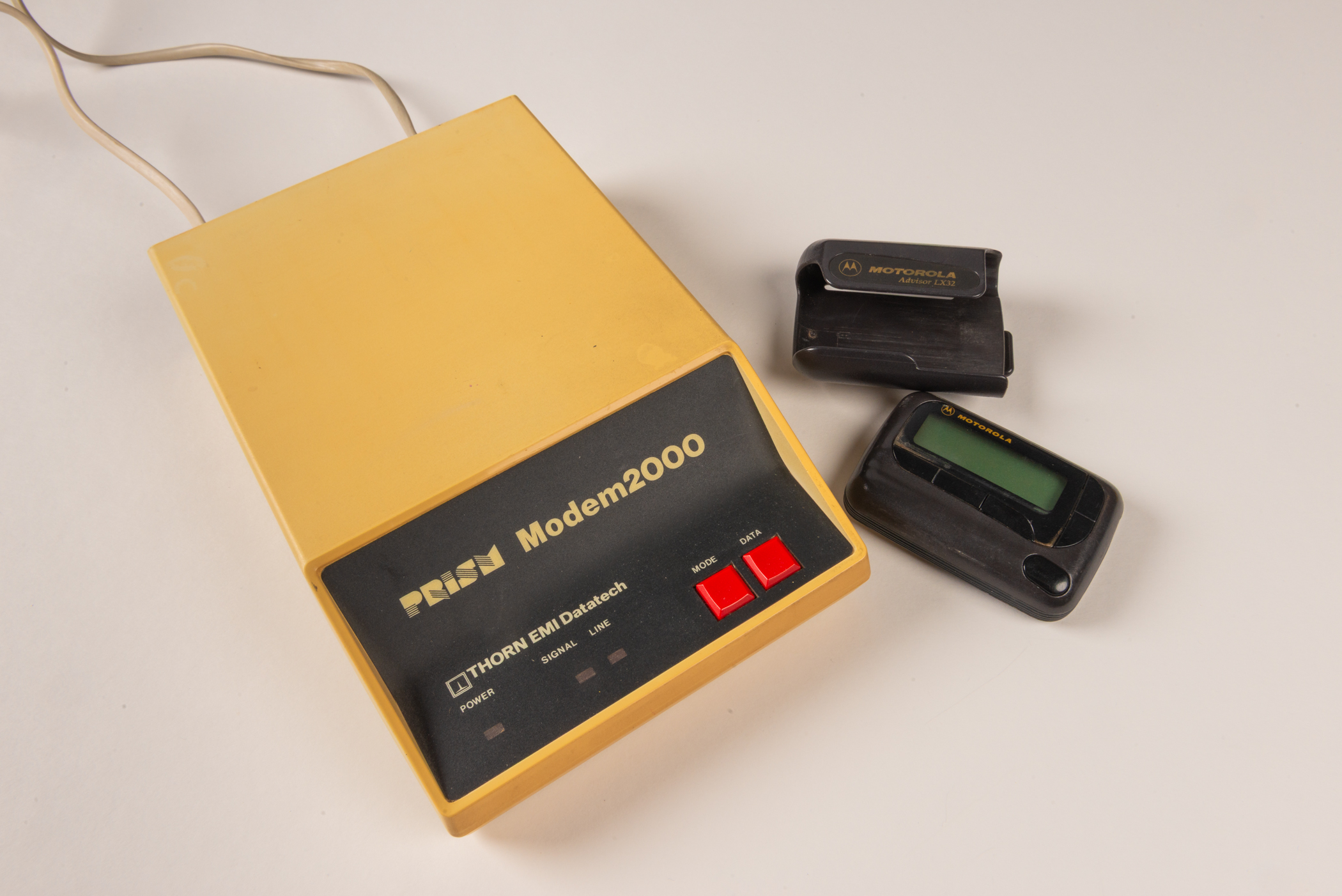
For decades, digital and paper records continued side by side. When the RCN began computerising membership records in 1967, there were teething problems. In the NHS, the process was much slower. While computers were widespread in GP surgeries from the 1980s, it was not until 2002 that hospitals began to go fully digital.
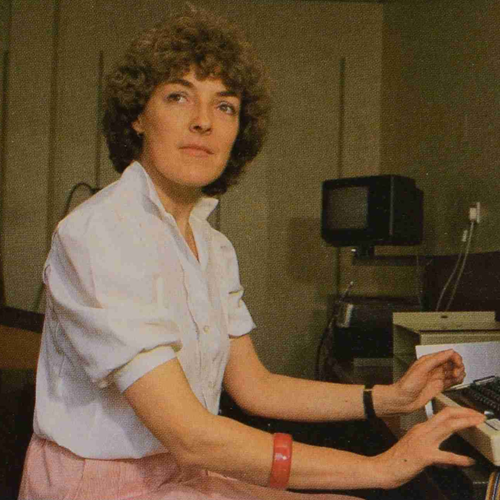
Computer-Assisted Learning
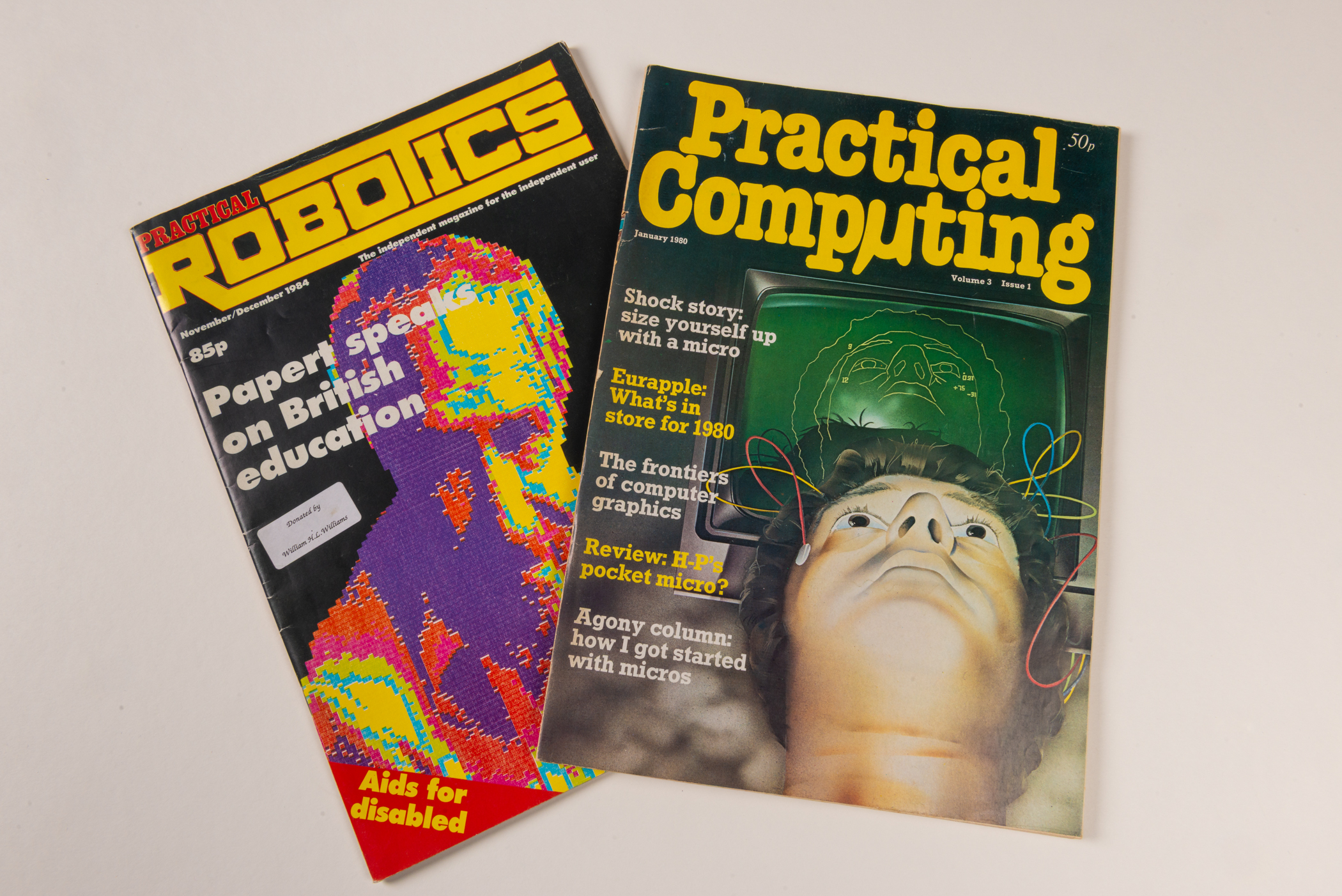
Computer-Assisted Learning (CAL) first emerged in the 1960s but took a while to take off. In the early 1980s, Sue Norman became one of the first British nurses to explore the benefits computers could bring to nurse training.
She conducted a ground-breaking study into the use of computers to teach drug administration and co-founded the first national network for computer-based nurse education in England.
From the 'Star Trek Unit' to virtual wards
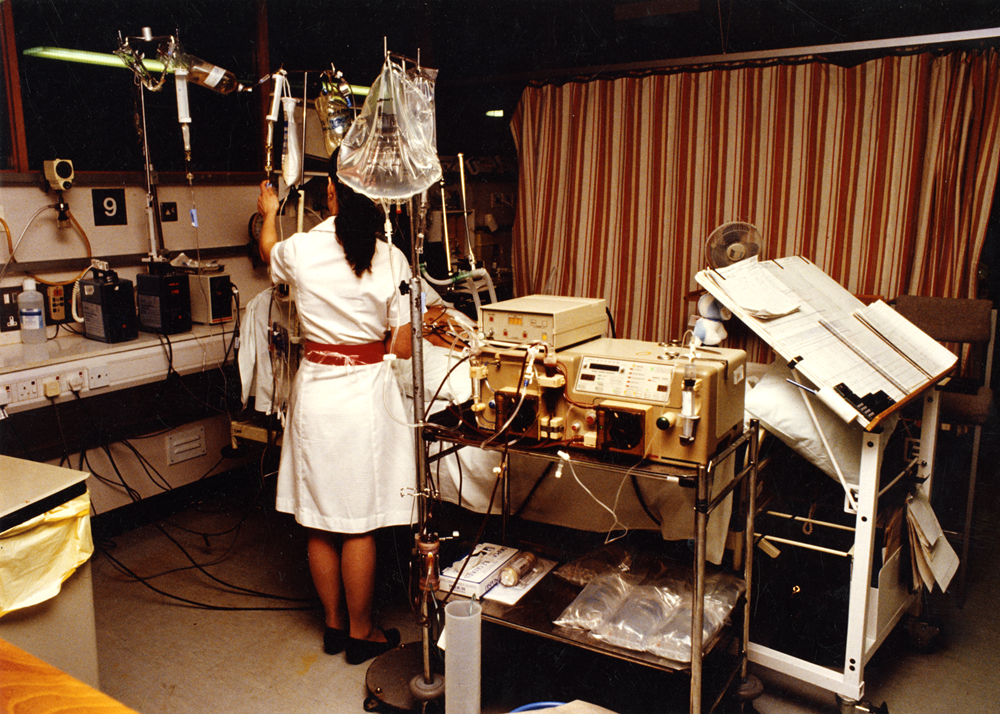
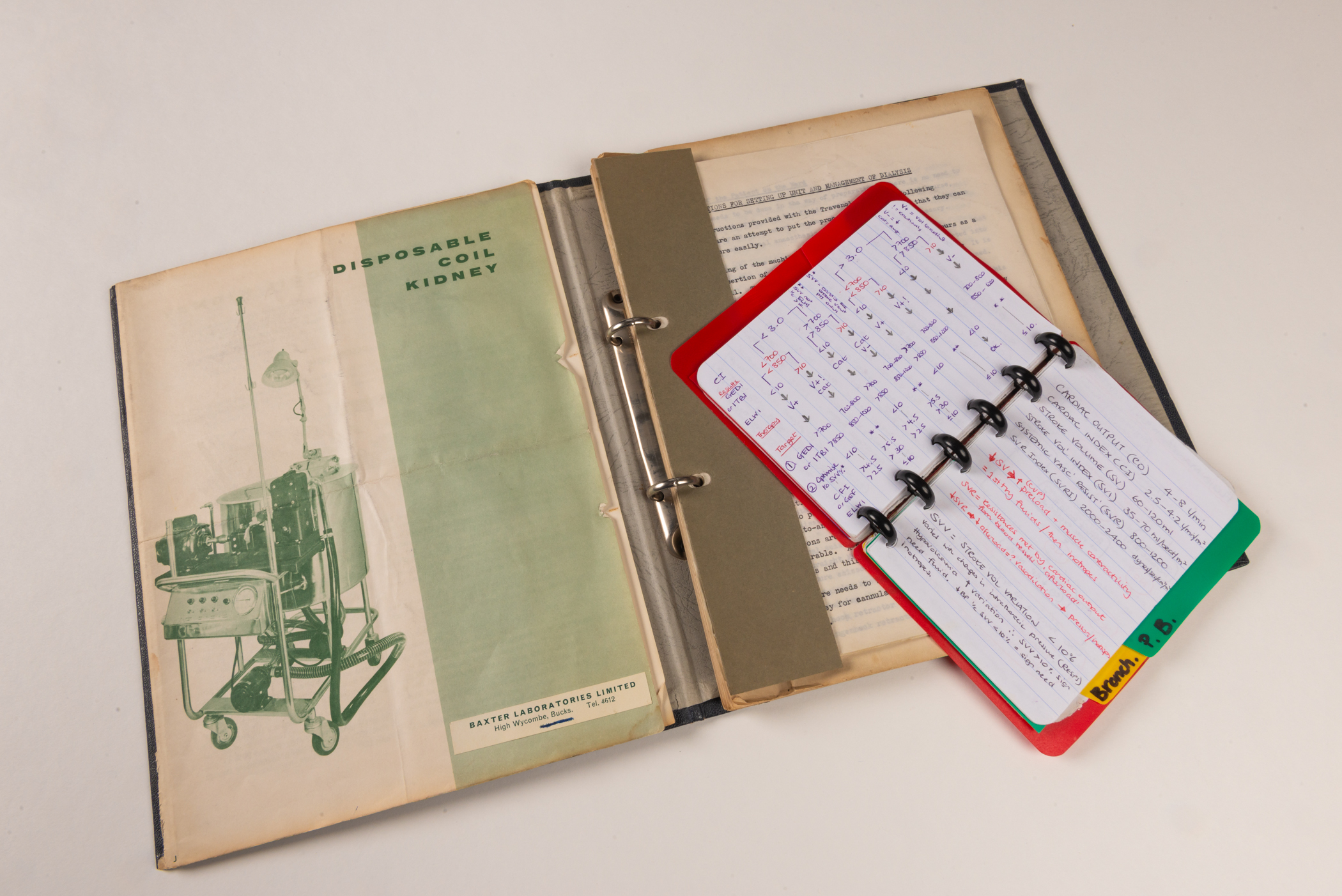
The impact of technological advances on nursing has been particularly visible in intensive care. The earliest units in the 1950s and '60s – with their innovative but imposing ventilators, cardiac monitoring equipment and kidney dialysis machines – were futuristic and alien places in the popular imagination.
Initially, doctors instructed nurses in using this cutting-edge equipment. But specialist nurses soon became experts in operating the machinery required to monitor and care for critically ill patients. At the same time, intensive care nurses were expected to ‘humanise’ these technical environments.
Contemporary critical care nurses cover a wide range of specialisms and are experts in using highly technical and life-saving equipment. They range from perfusionist nurses operating heart-lung machines to renal nurses in kidney dialysis to transplant coordinators caring for patients before and after organ transplant. Yet today, as in the past, technology can only ever be as good as the caring professionals who are using it – combining high-tech care with human touch.
Hospitals at home
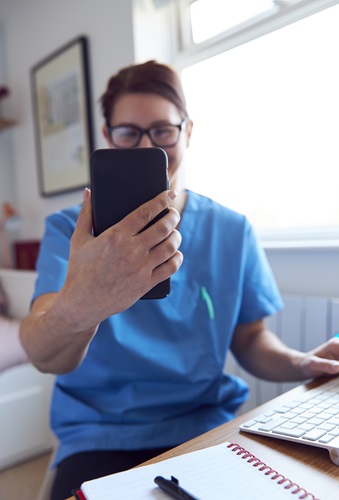
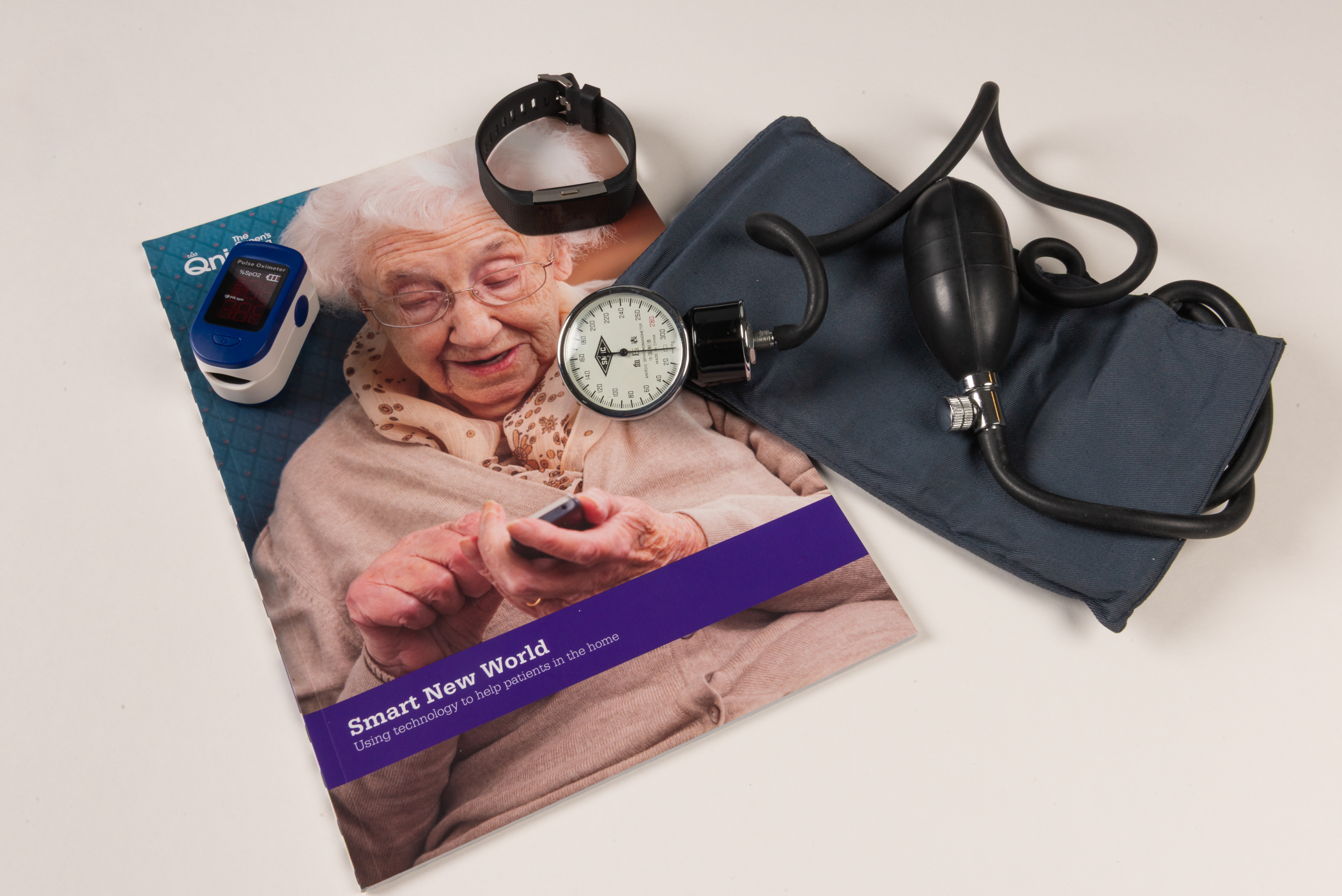
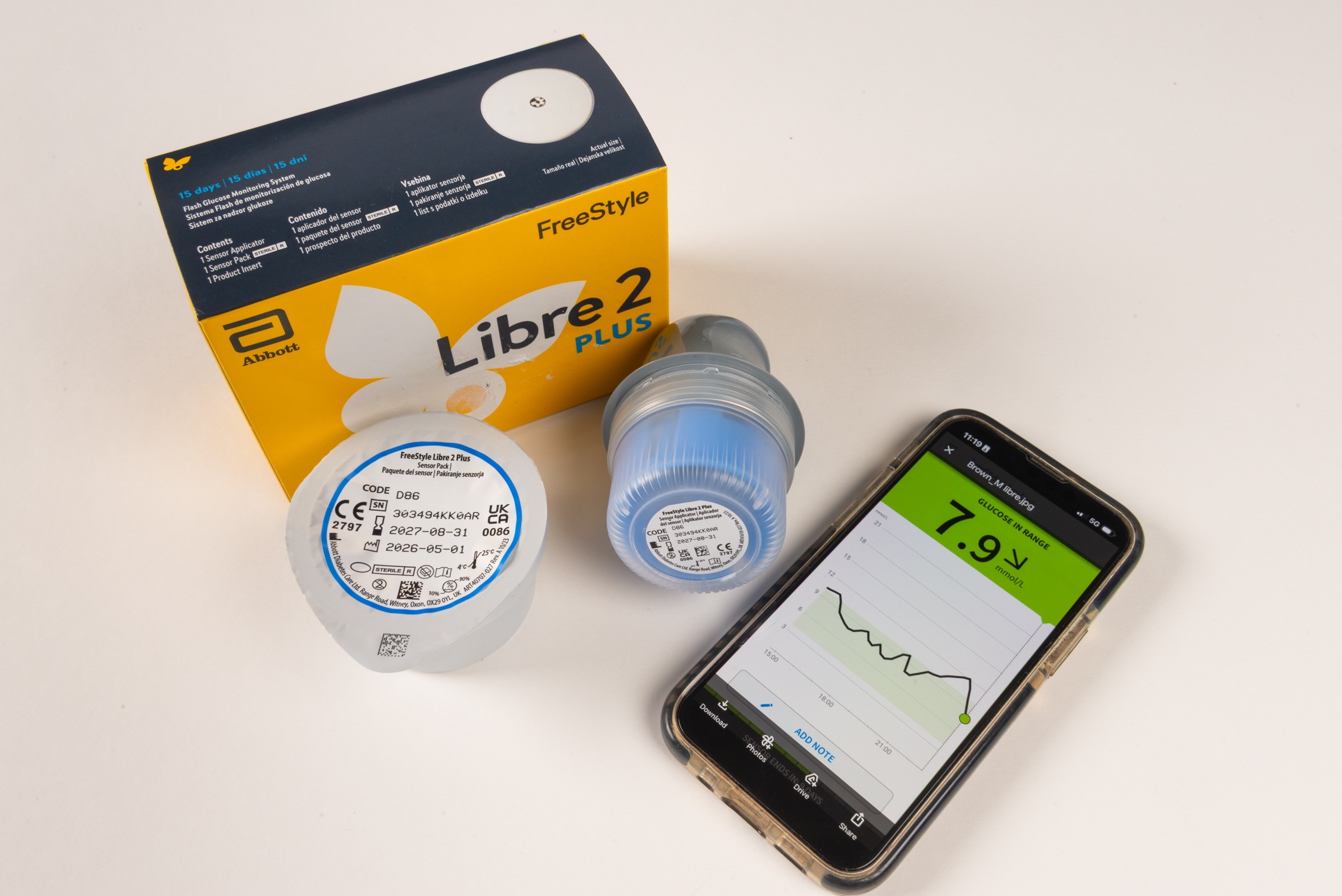
Advanced technology doesn’t just save lives in hospitals. Many of us use a smartwatch or smartphones to monitor our steps, heart rate or sleep.
Increasingly, the health care sector has recognised the potential of these remote monitoring devices. Nursing staff can oversee ‘virtual wards’, caring for patients who track their own vital signs via wearables or apps.
However, there is still a significant digital skills gap in the UK, with the risk that some people are being left behind. Nursing staff can play a role in digital inclusion, helping patients to feel confident to monitor health conditions at home.

Can robots care?
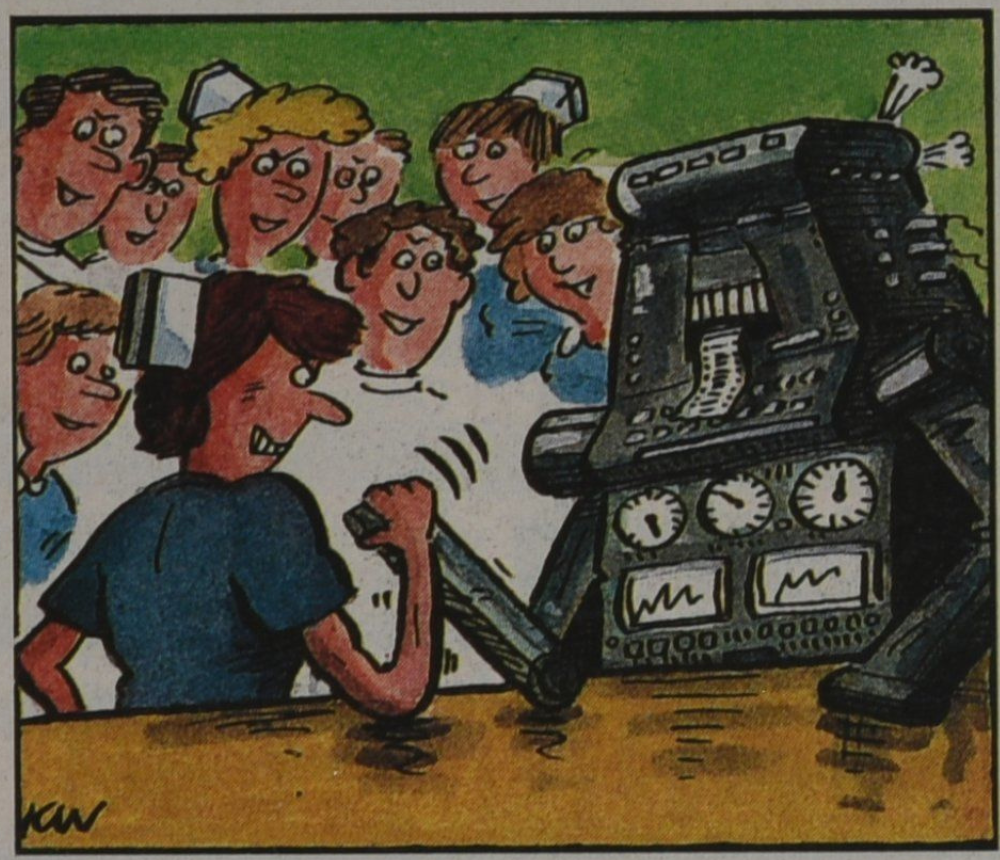
As digital changes have accelerated and intensified, so has the range and complexity of tools nurses are expected to use. Nursing staff have always had to keep pace – from the first computer-based Clinical Decision Support Systems of the 1950s to the virtual reality (VR) simulations, artificial intelligence and even robotics used in nursing practice and education today.
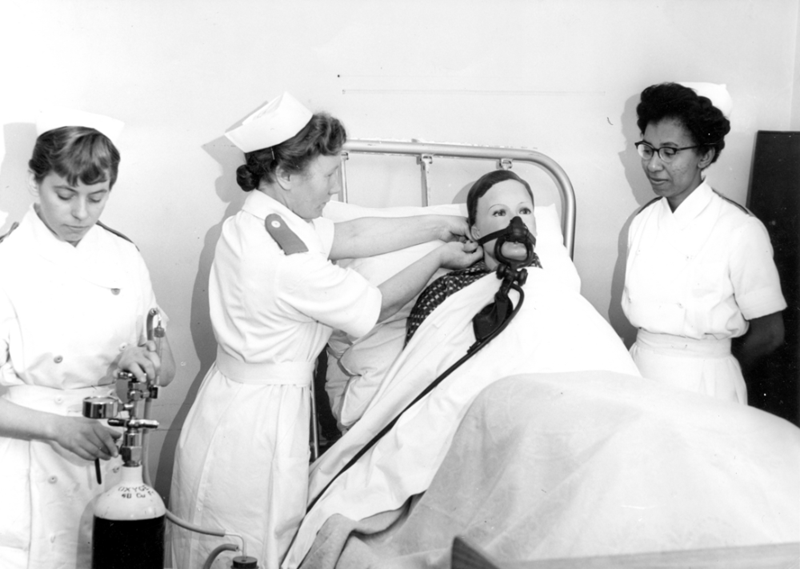
In the USA and Japan, it is common to see robots on hospital wards and in care homes. During Covid-19, robots were used to carry out repetitive tasks like disinfection and are still used for deliveries and other purposes. Apart from fields such as surgery, the UK has been slower to incorporate robotics into nursing.
Tackling digital anxiety
One challenge has been ensuring that nurses are confident enough to use new equipment to deliver the best patient care.
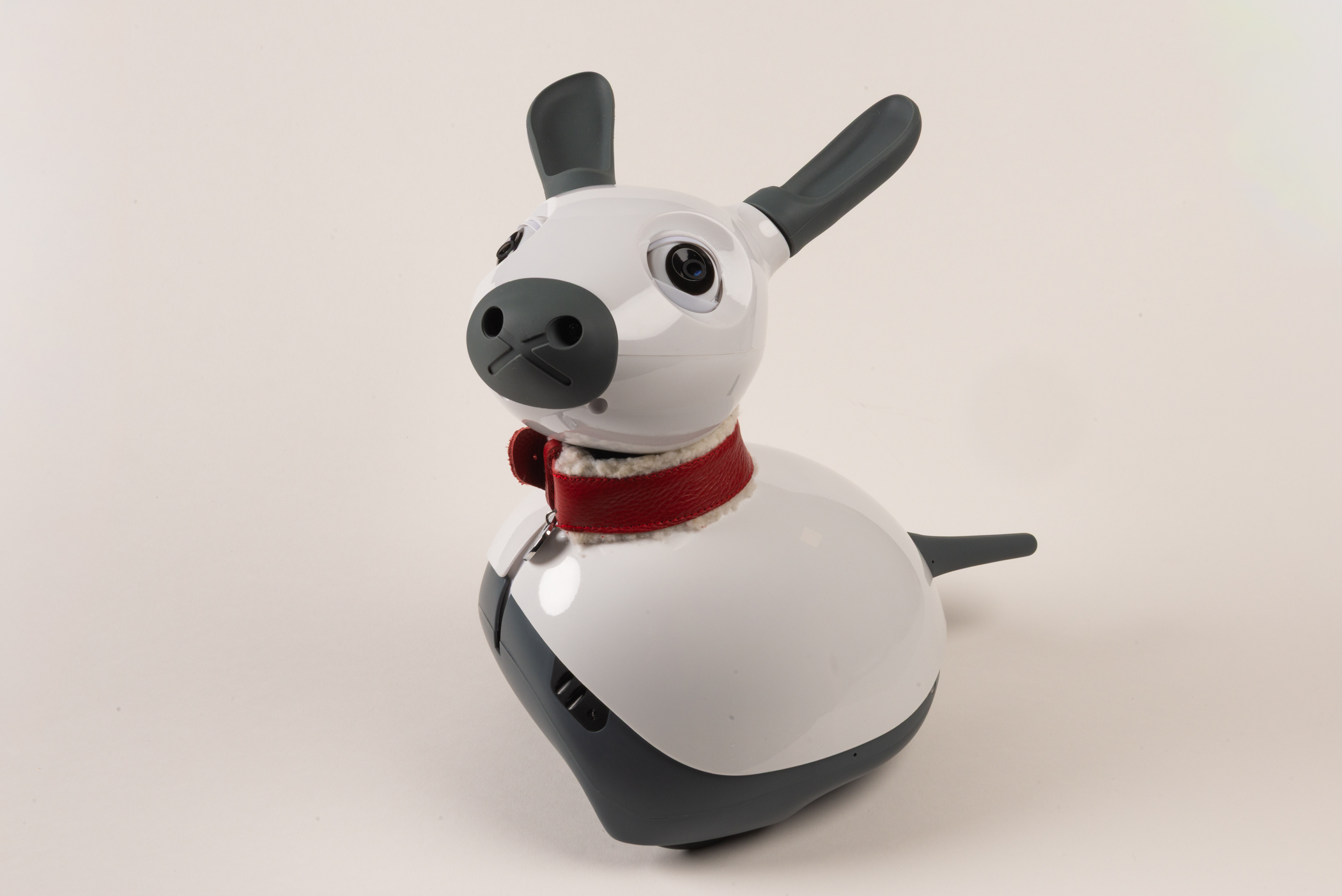
In ‘Are nurses ready for robots?’, academics at Heriot-Watt and Edinburgh Napier universities investigated ways of improving digital confidence and literacy amongst nursing staff and educators. Their work emphasized the benefits of hands-on practical experience with robots and other technologies.
Digital literacy is vital, not only for nurses to do their jobs, but to assist patients with managing care plans and even to prepare their own digital assets for after death.

Are nurses ready for robots?
An investigation by Edinburgh Napier and Heriot-Watt universities
The project invited nursing students and tutors to interact with robots in different clinical scenarios, recording their thoughts and fears around robotics in nursing both before and after the interaction. These short films show those interactions first-hand.
1. Furhat - the receptionist (0:44 mins)
2. MiRo - the companion pet (0:18 mins)
3. Temi - the telepresence robot (2:58 mins)
4. Tiago - the manipulator (1:48 mins)
Researchers found that hands-on experience with robotics technology positively impacted perceptions, self-confidence and comfort amongst nursing students and tutors.
The project is a collaboration between roboticists from the School of Mathematical and Computer Sciences at Heriot-Watt University and the School of Health and Social Care at Edinburgh Napier University, which currently trains the highest number of nurses in Scotland.
Care Protocols / Human Signals
As part of the exhibition, we commissioned Care Protocols / Human Signals - a video projection installation by Rachel Lee Pearl. The piece explores the tension between clinical data systems and technology and the lived, embodied experience of nursing care. The projection installation is built from archival footage of nursing instructional film, projected onto a hospital privacy screen, with a sonic layer drawn from both machinic and bodily sounds. The artwork dwells in the moment systems meet - body, tool, infrastructure, and machine interconnecting in cycles that return, repeat and synchronise.
About the artist:
Rachel Lee Pearl is an artist and interdisciplinary researcher based in London, working across video, installation, writing, and speculative design. Her practice explores the philosophical entanglements between technology and biology across scales, from the personal to the planetary. She collaborates with scientists, technologists, and academics on projects to explore where systems overlap, fail, and reveal something unexpected.
Sonic accompaniment credit: Malou van der Veld
Nursing: an artificial future?
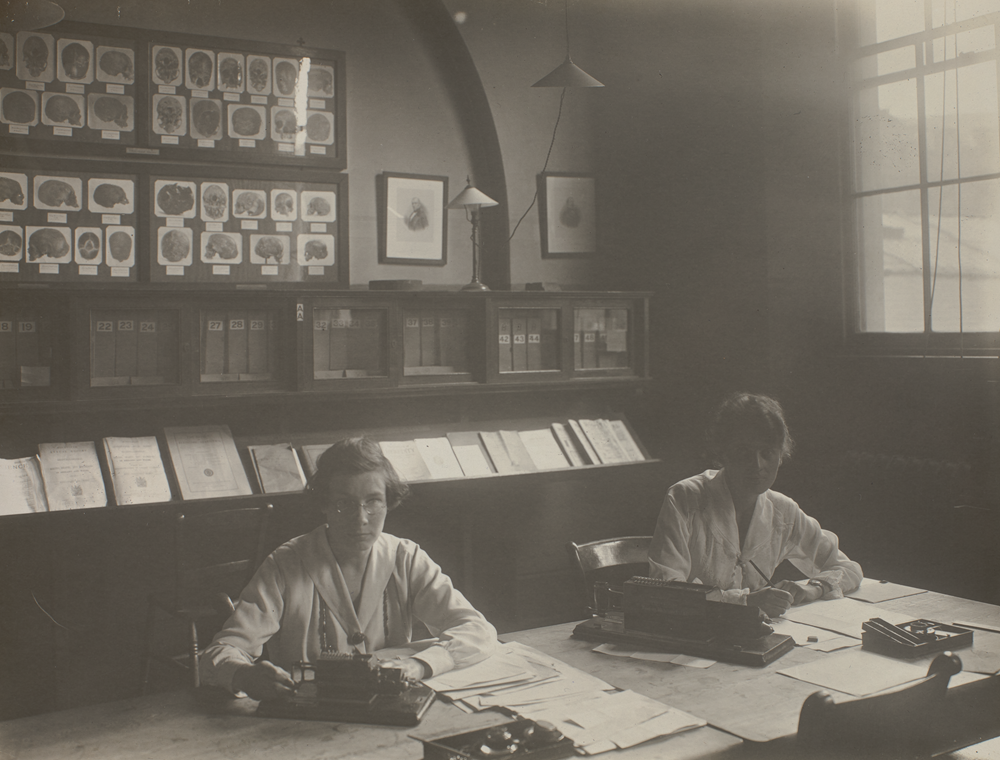
Since the 1950s, information technology has become increasingly entwined with nursing.
From everyday gadgets to lifesaving machinery, technology has improved efficiency, opened up new communication channels and transformed education, research, and critical and community care.
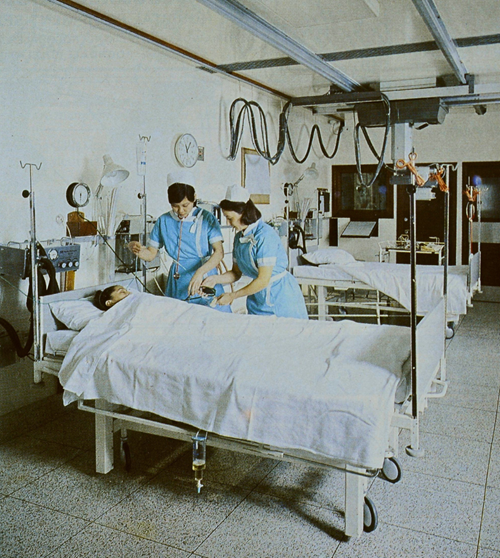
But, of course, this is only part of the story. Bias, exclusion and error have been present from the data gathering of the 19th century to artificial intelligence today.
Digital nurses of the 21st century must be open and critical, understanding not only how new technology can support their role, but why human knowledge and nuance remain vital to our future health.
Will tomorrow’s nurse be a robot carer or an AI chatbot? This seems no more likely now than it did in 1960s science fiction. Caring is a uniquely human practice and, whatever new aids are added to the nursing toolkit, the nurse remains the interpreter and expert analyst.
Credits
This exhibition was curated by the RCN Library and Museum team, with support from the RCN Digital Nursing Forum, the RCN History of Nursing Forum, and the RCN Archive team.
Thanks to Sharon Whiting and Paula Procter for additional guidance, and to our lenders: the Centre for Computing History, the Royal Statistical Society and the National Robotarium. Thanks too to Barts Health NHS Trust Archives for permission to use the exhibition title image. Special thanks to everyone who has contributed a story, experience, or object to the exhibition.
Online exhibition built by Kai Flynn and Ianto Griffin.