This exhibition shows that migration has long been at the heart of nursing. Well before the NHS, Nightingale nurses journeyed across the globe, while several RCN founders travelled as military nurses, in South Africa and beyond.
The British Empire and its legacy lay at the heart of these movements. British nurses migrating from the UK tended to move to British colonies. In turn, nurses from these countries – colonial British citizens – were motivated to train and nurse in the “Mother Country”.
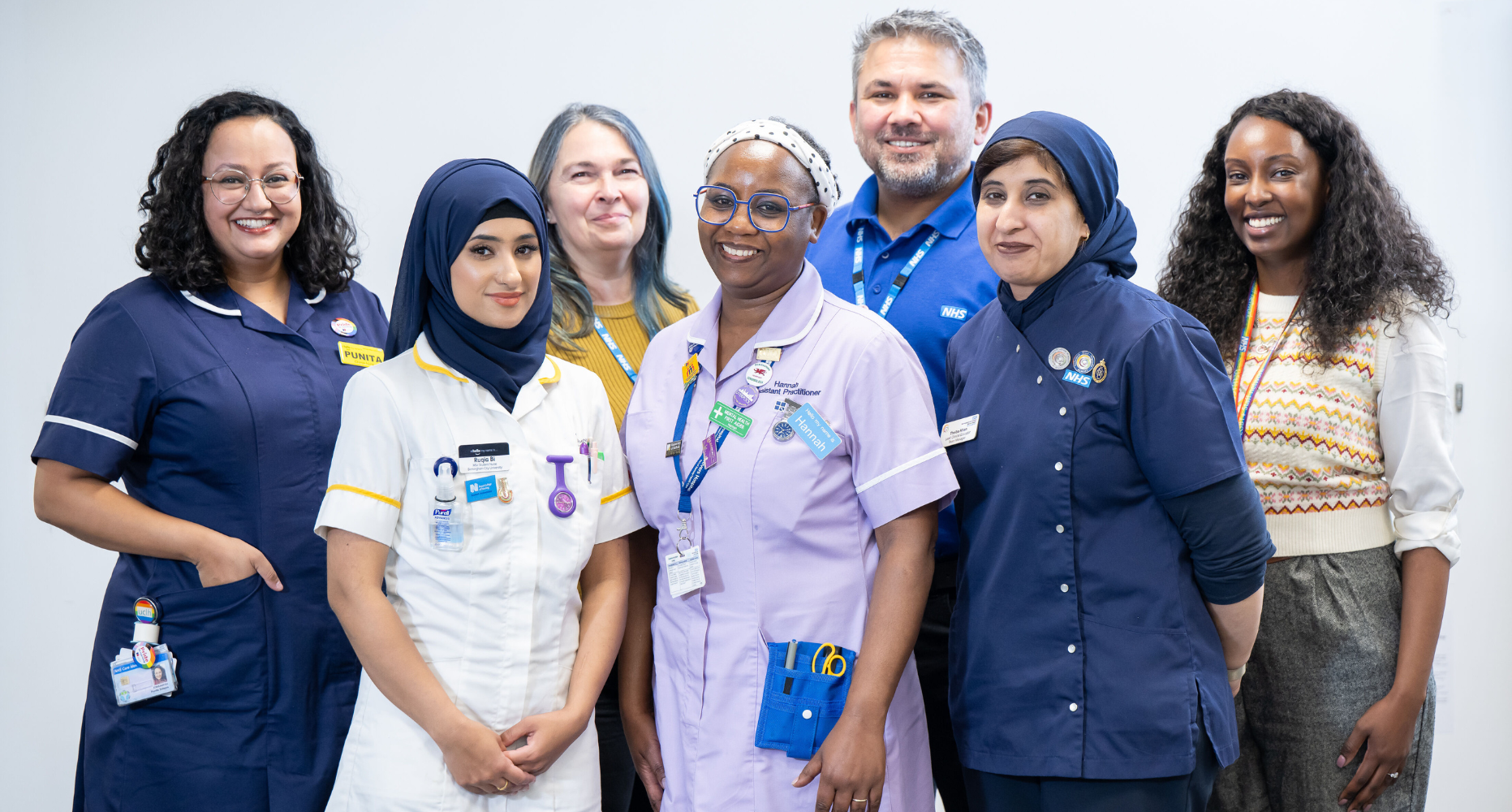
Today, around a quarter of the 794,000 registered nurses in the UK are nationals of other countries. As nursing shortages show no signs of decreasing, health care in the UK relies on the expertise of these migrants, just as it did in past decades. International nurses bring much-needed experience, while the skills of students and nursing support workers from abroad are essential to our health care system.
This exhibition explores the stories of some of those who have moved to care, from the 19th century to the present day.
Nursing overseas and the British Empire
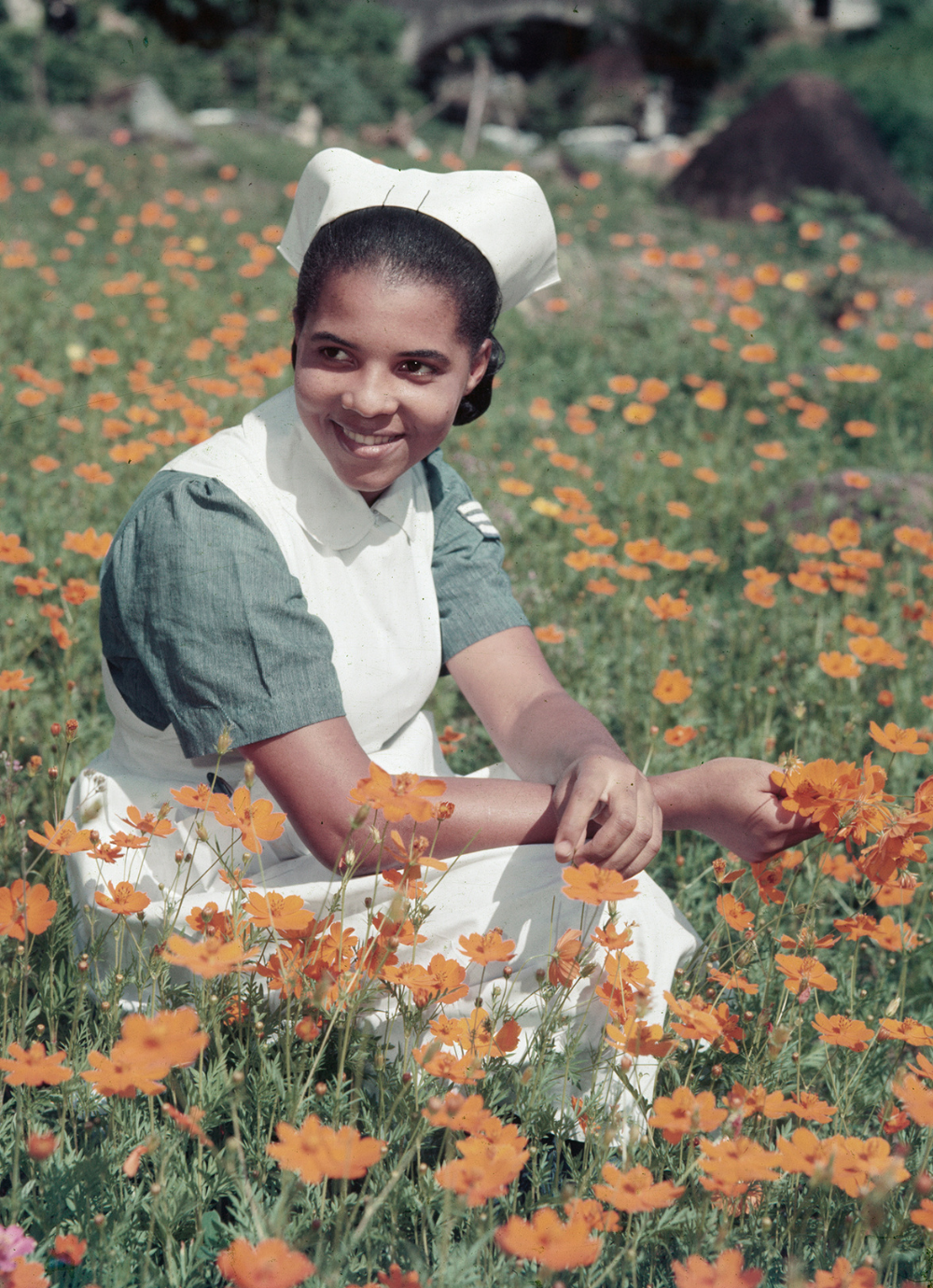
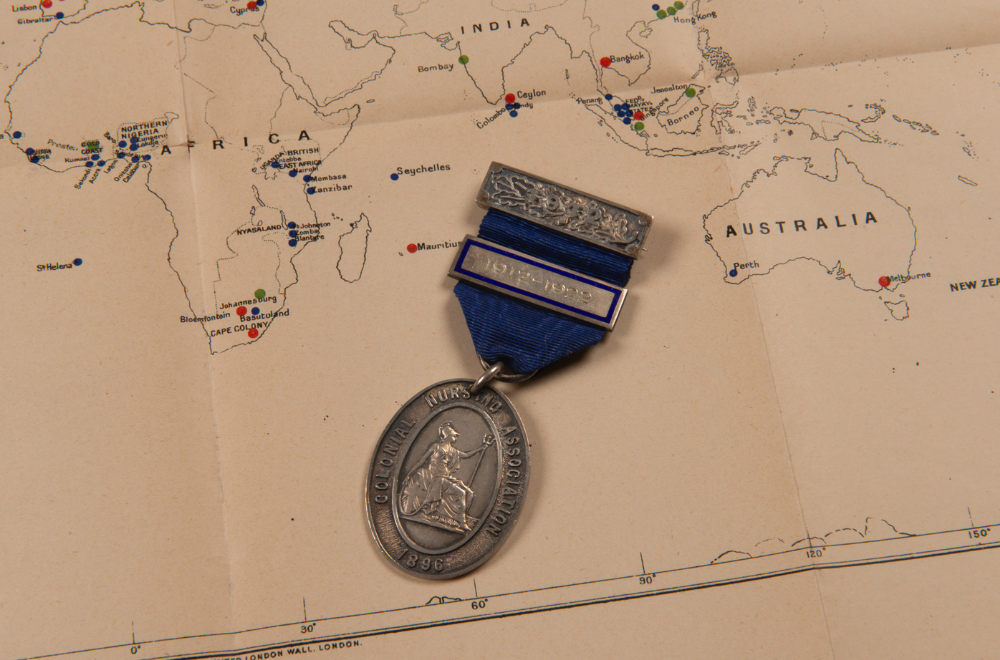
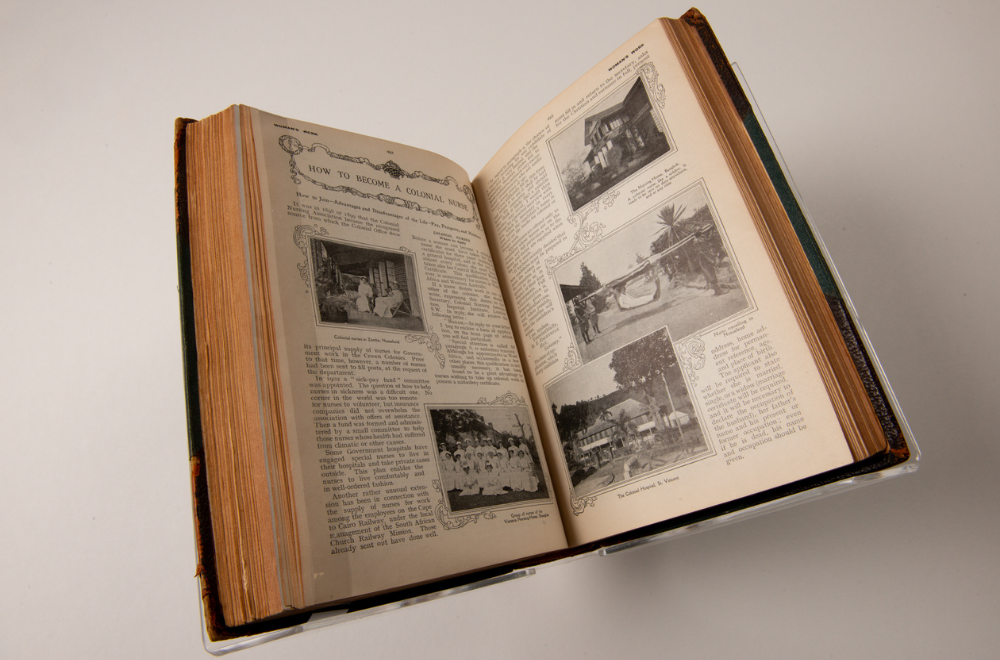
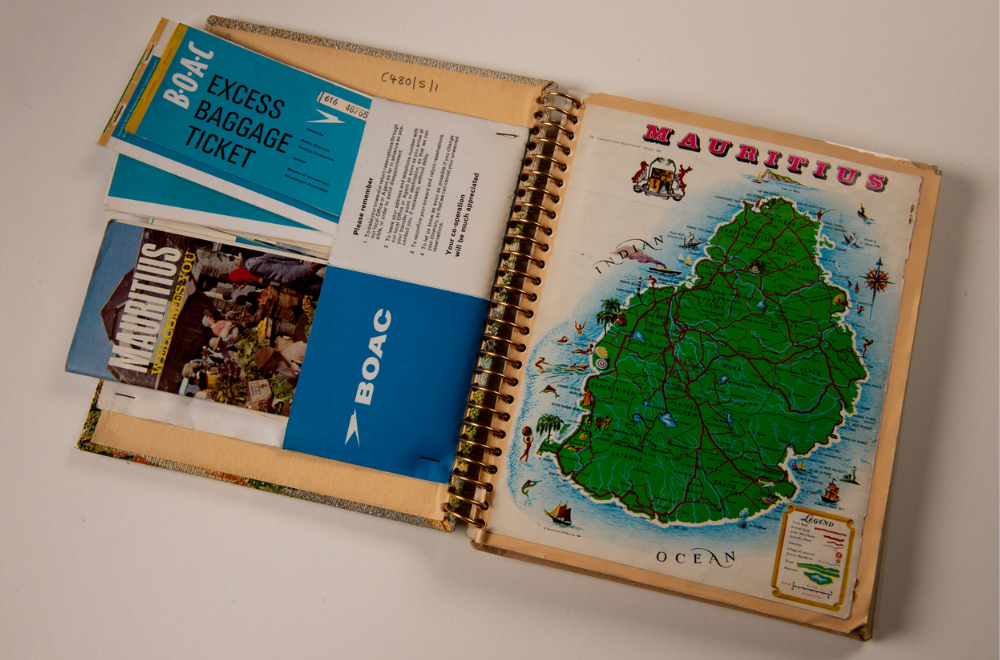
Early migration of nurses to and from the UK was rooted in British Colonialism. Unlike doctors, British nurses abroad only started to be sent abroad in large numbers in the mid-19th century. By this time, the British Empire ruled over 400 million people and nursing was just becoming a recognised profession.
Influenced by Florence Nightingale, the ideal nurse embodied cleanliness, a good moral character and Christian values. Nightingale and her contemporaries made the racist argument that these qualities were lacking in colonised countries. Nursing was seen as a tool to “civilise” the local population. Soon, programmes training local nurses in European-style healthcare were introduced across the British Empire.
Challenging conventions
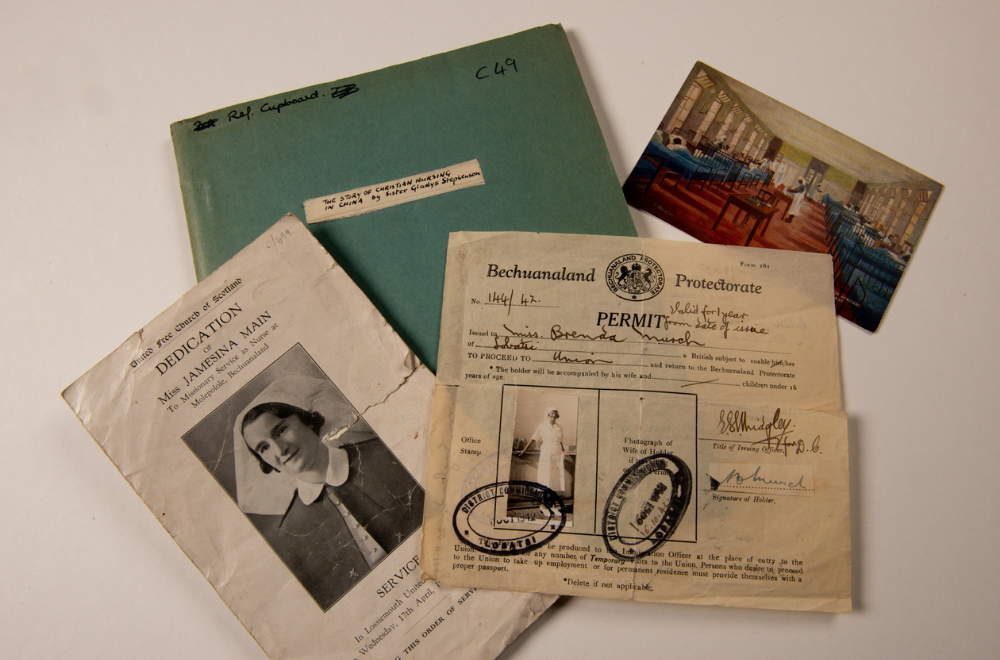
British nurses moving overseas were enterprising and unconventional – travelling to faraway places and working in male-dominated environments. But they also upheld racist hierarchies in colonial hospitals – treating local nurses with prejudice and dominating senior positions. Some had religious motives, working for Christian missionary organisations.
Yet, despite discrimination and intrusive entry assessments, many overseas nurses used their British education to seek training or employment in the UK. Others stayed and developed the nursing profession in their own countries.
Far from Home: Refugees, war and recruitment
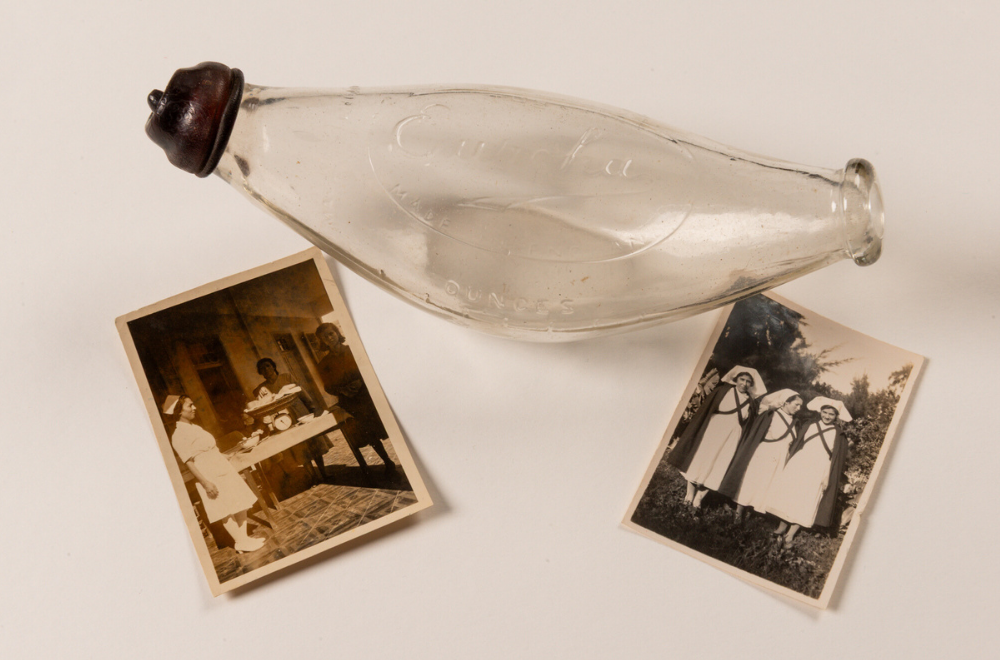
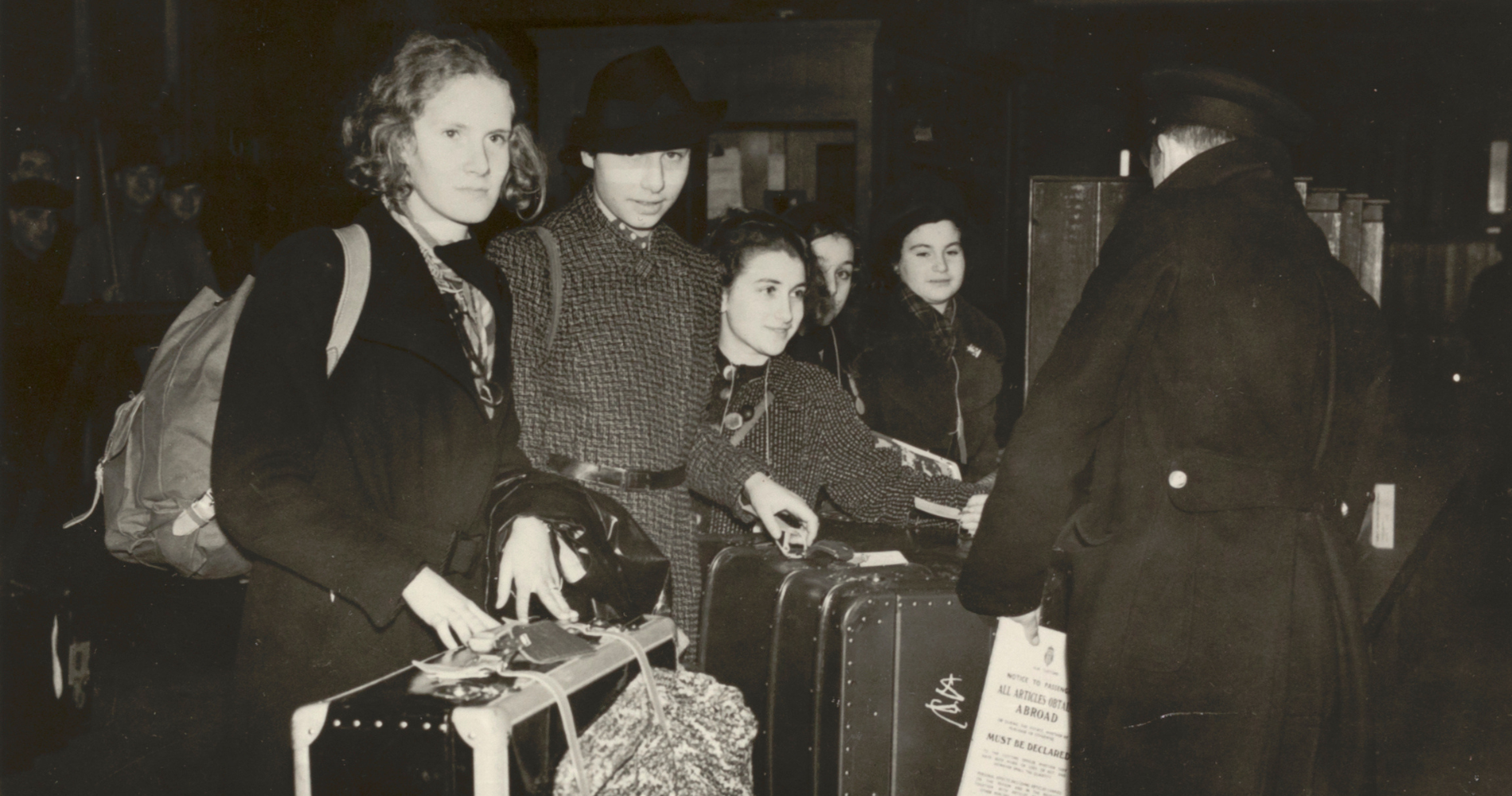
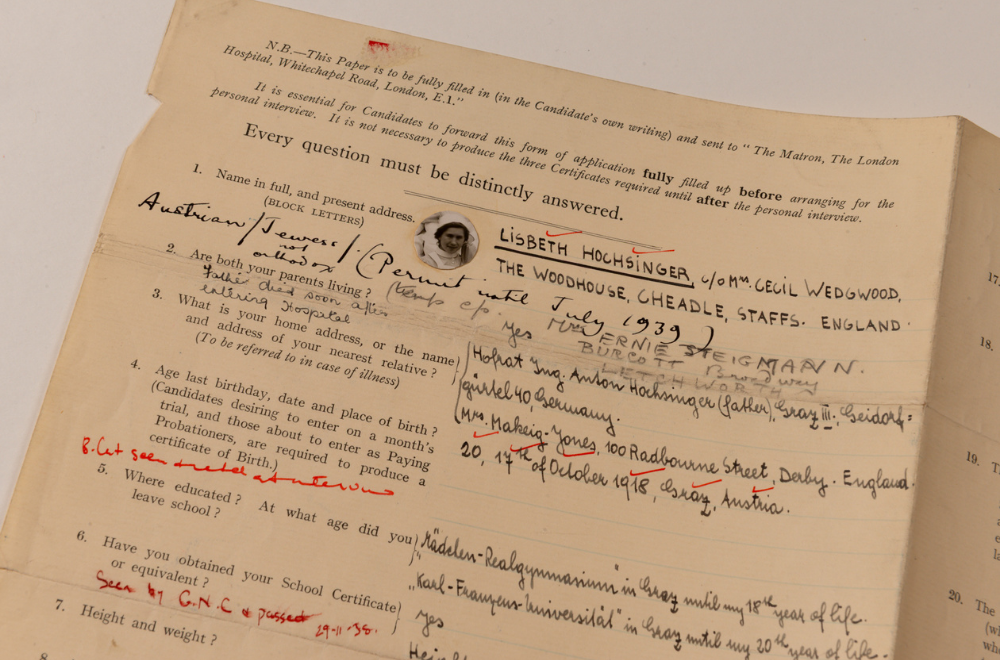
By 1940, there were nearly a thousand refugee nurses and probationers working and training in Britain, many Jewish. For young women, like Annie Altschul and Lisbeth Hockey, nursing and domestic service visas were the only route out of Nazi-occupied Europe. Others, like Edith Bown and Rosa Sacharin, arrived on the Kindertransport.
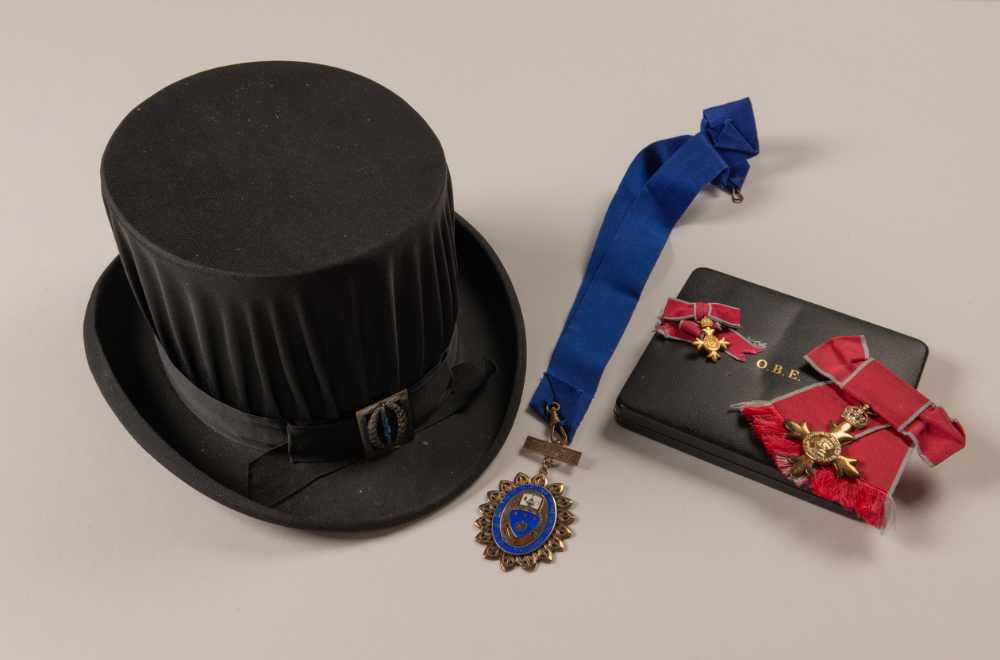
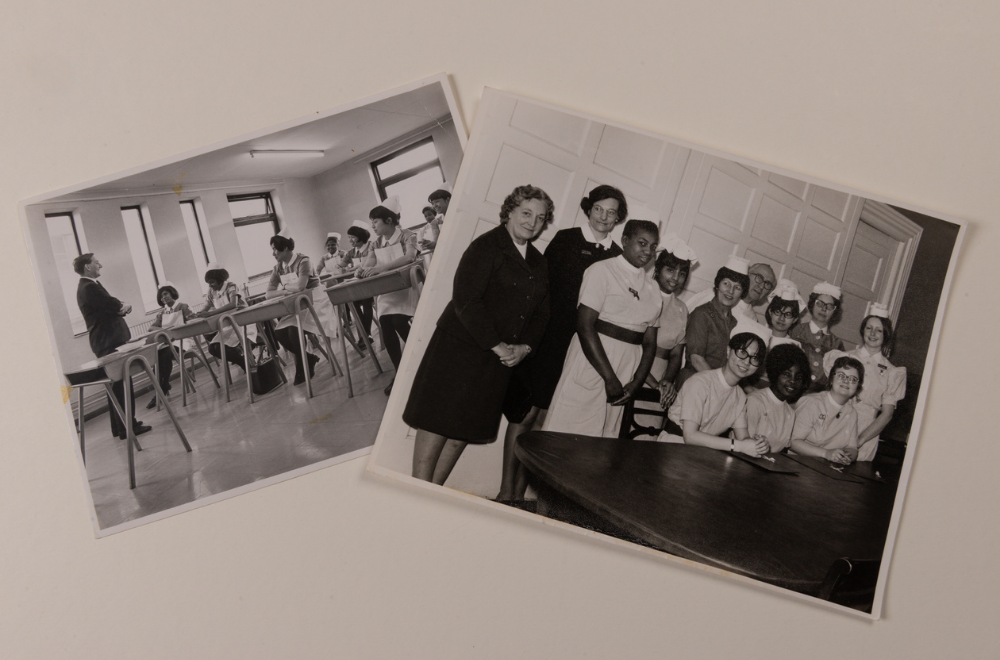
As teenagers, both saw nursing as a route towards independence far from home. While life for Jewish refugees was not easy, and all recounted experiences of discrimination, many made significant contributions to their new profession. Hockey became one of the first UK professors of nursing in 1971, while Altschul influenced the growth of nursing in the university sector, long before nursing became the graduate profession it is today.
A hostile environment
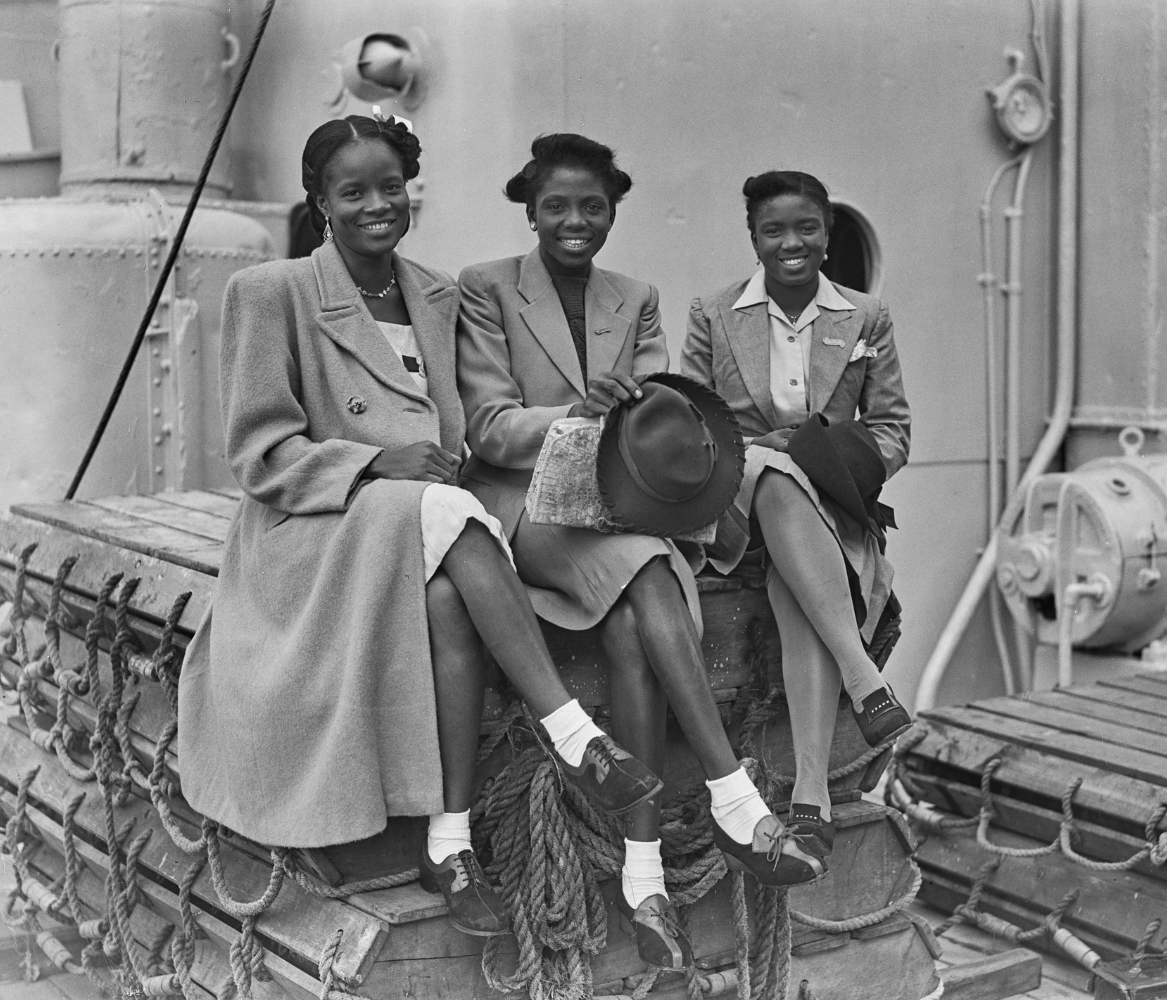
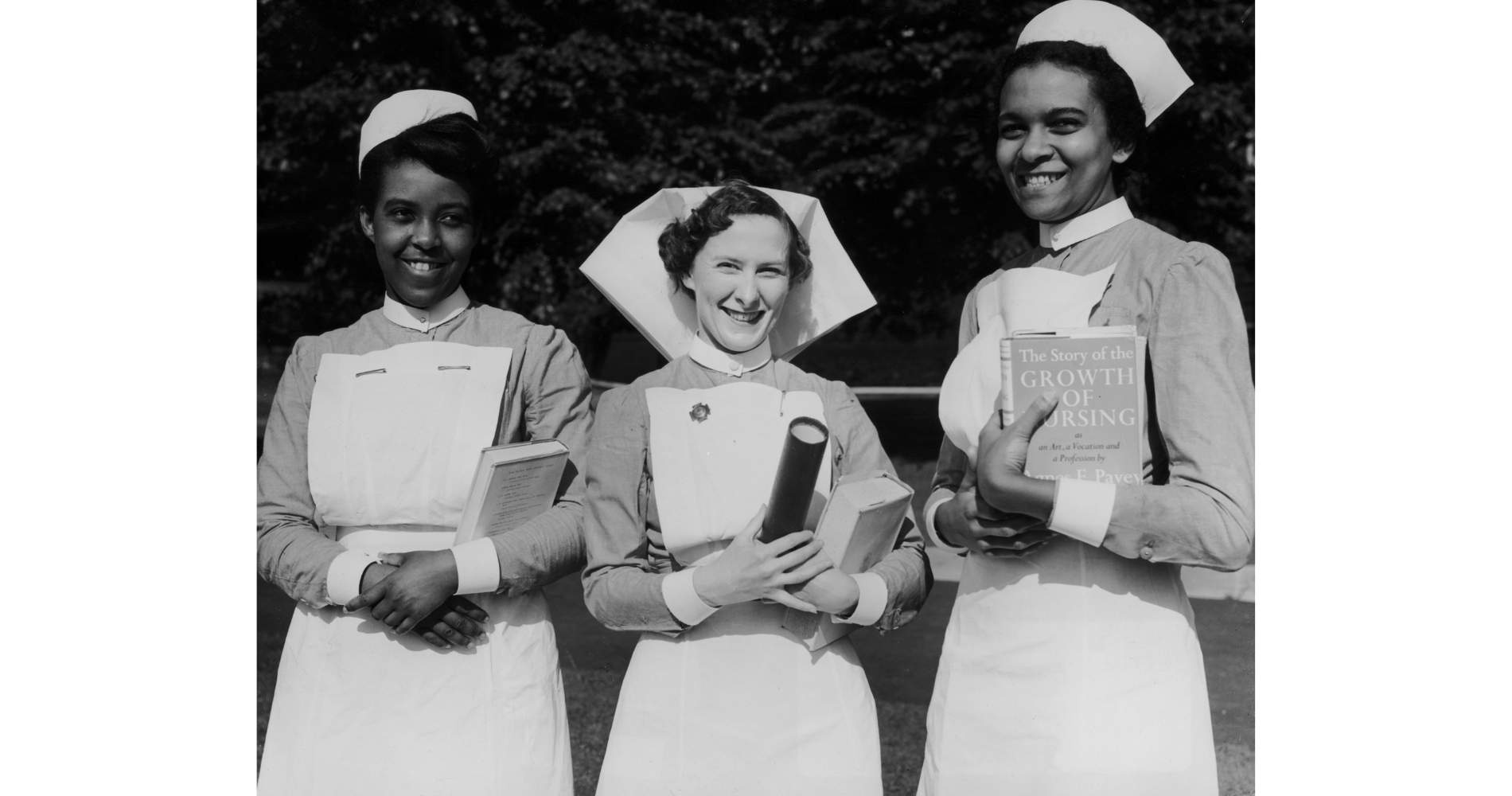
During the Second World War, nursing shortages worsened and the British Government relaxed restrictions on “foreign” nurses. Yet, even in the late 1940s, some hospitals still had a “colour bar”, refusing to recruit Black students and staff. Faced with discrimination, many nurses who responded to the Government’s recruitment drive and migrated to the UK, were pushed into State Enrolled Nursing or into learning disability, mental health or geriatrics – areas of nursing seen as less prestigious at the time.
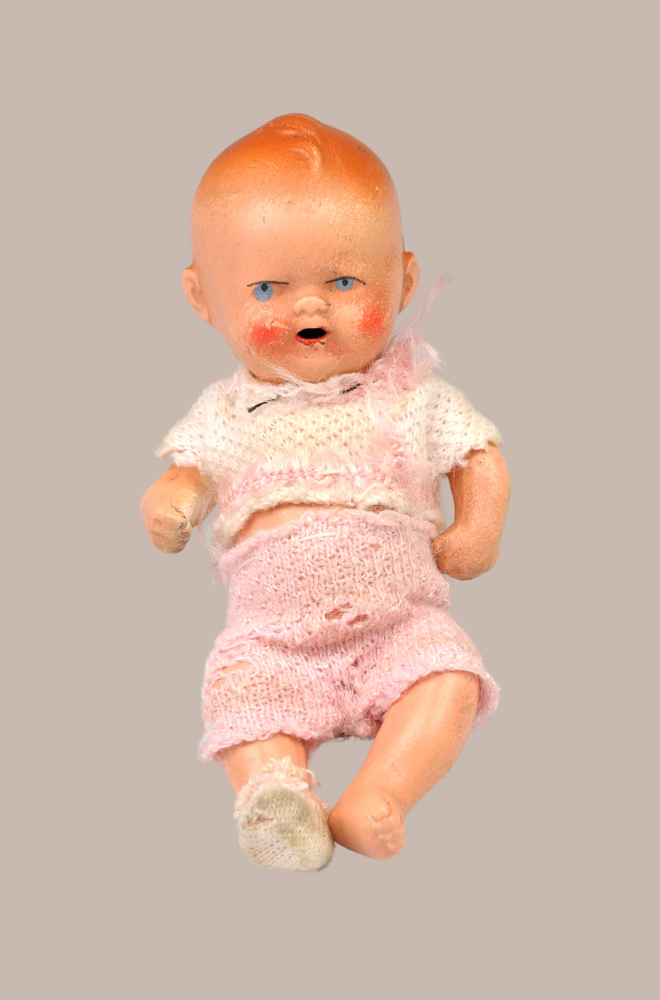
Edith Bown (née Jacobowitz)
Edith was fourteen when she arrived in England on the Kindertransport with her brother Gert in 1939. The pair were sent to Millisle Refugee Resettlement Farm in Northern Ireland. They enjoyed the countryside but struggled with homesickness.
Finding limited opportunities as a young woman, Edith started her nurse training in County Down in 1942. As a Jew and “enemy alien”, it took more than a year for her to be offered a place.
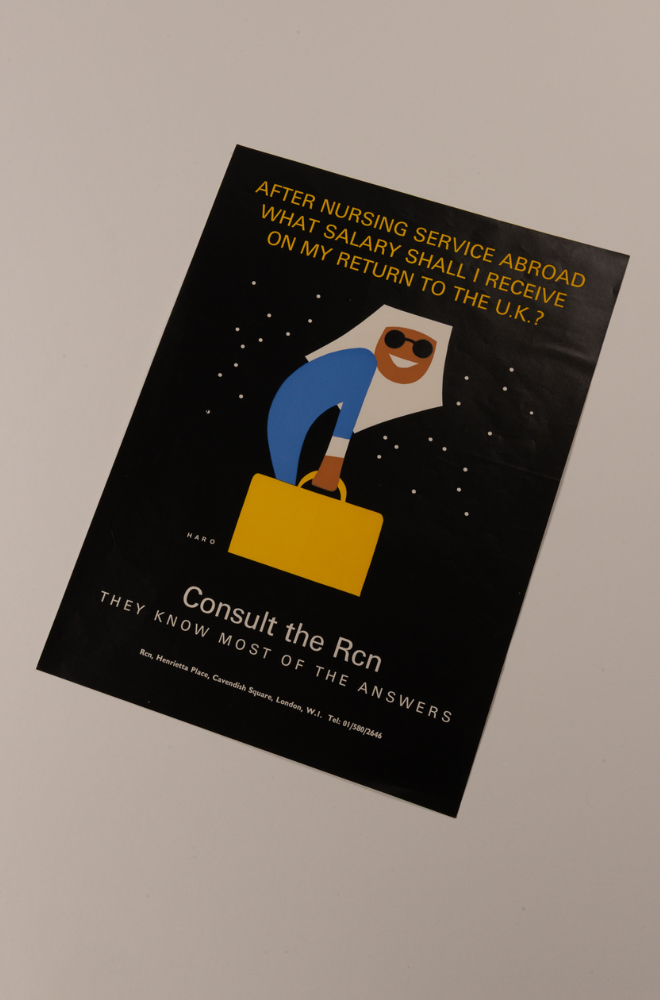
Campaigning for Change: Migrant nurses on the front line
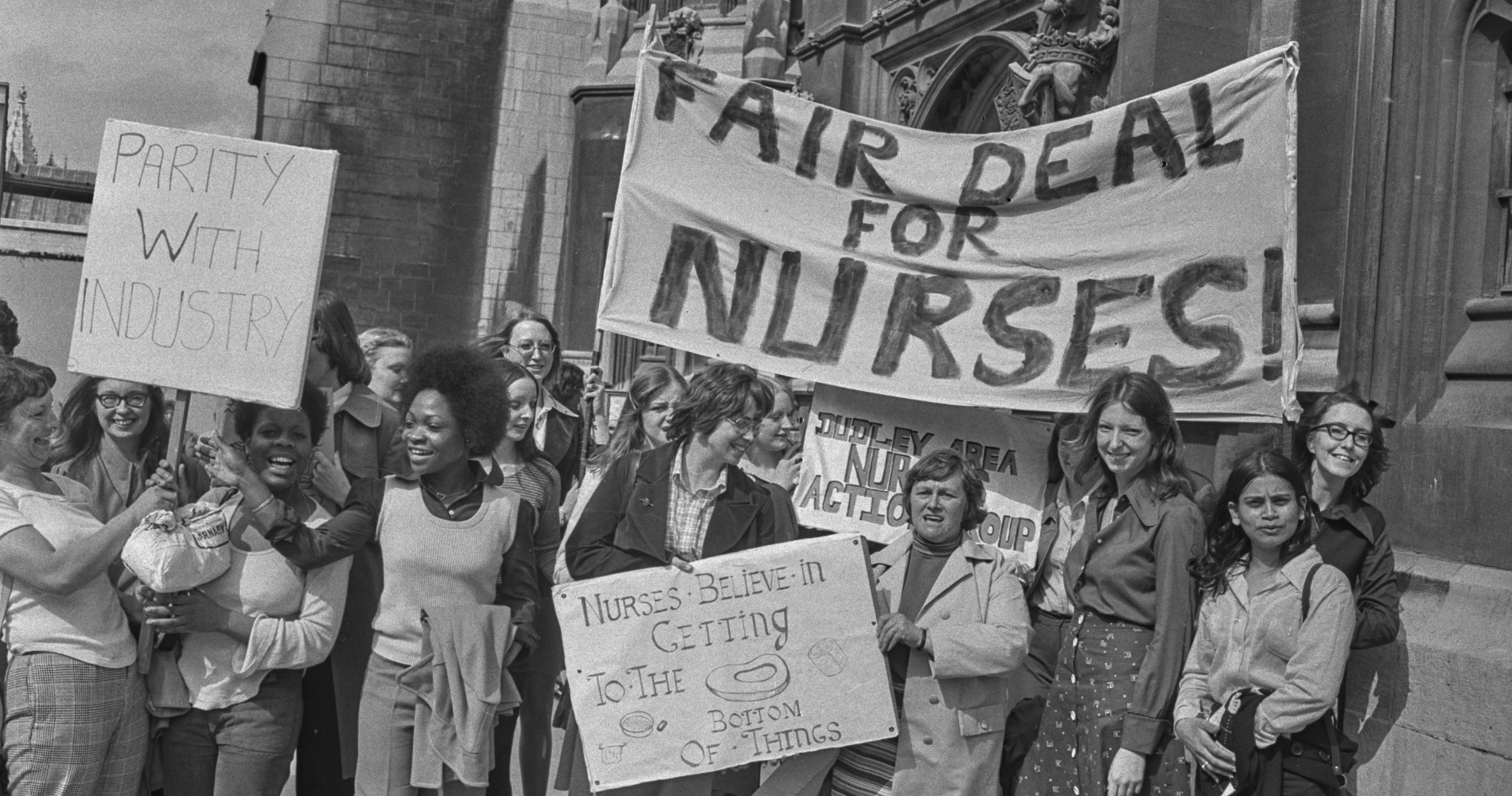
As the NHS expanded after 1948, nursing staff who had migrated to the UK began to call out health inequalities suffered by their patients and communities.
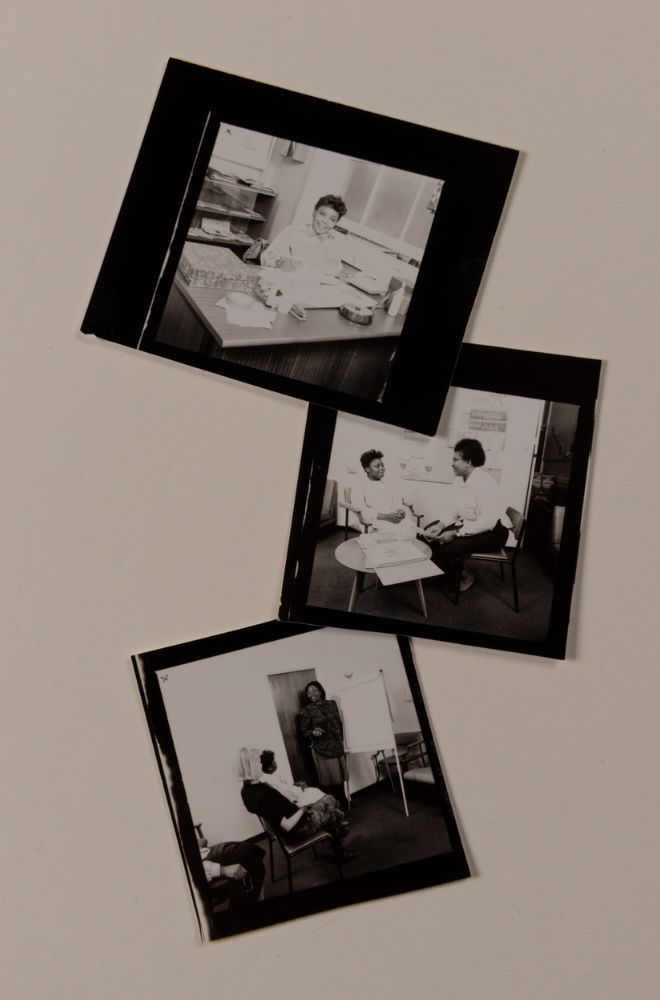
In the 1970s and 80s, global majority nurses played a crucial role in improving care for people with sickle cell anaemia. Their work raised awareness of the disorder and tackled the racist prejudices that had led to patients with symptoms being ignored or even disbelieved.
Similarly in recent decades, mental health nurses with lived experience of migration have carried out pioneering work exploring the impact of racism on mental health
Today, institutional racism in health care is still a huge problem and there is a noticeable ethnicity pay gap across the nursing sector. Migrant nursing staff have been strong voices in campaigns for change, but they cannot be expected to do it alone.
Ethical recruitment
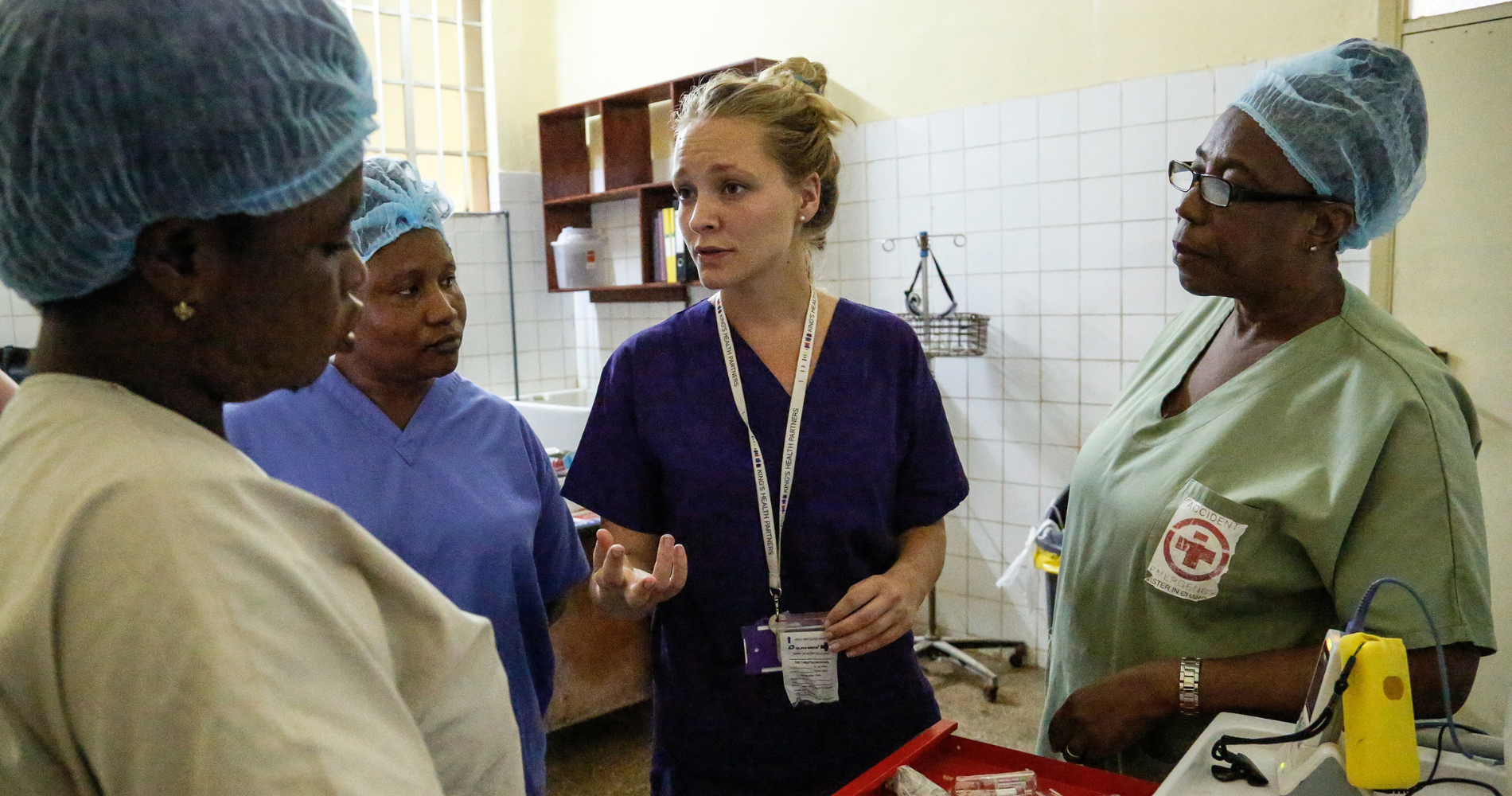
Our health in the UK has benefitted hugely from the contributions of migrant nurses. However, the recruitment of overseas nurses has only increased nursing shortages elsewhere.
Global codes of practice now identify countries that should not be targeted for nursing recruitment. In the UK, there are also a wide range of diaspora organisations that bring together migrant nurses to support nursing in their home countries.
An ongoing journey
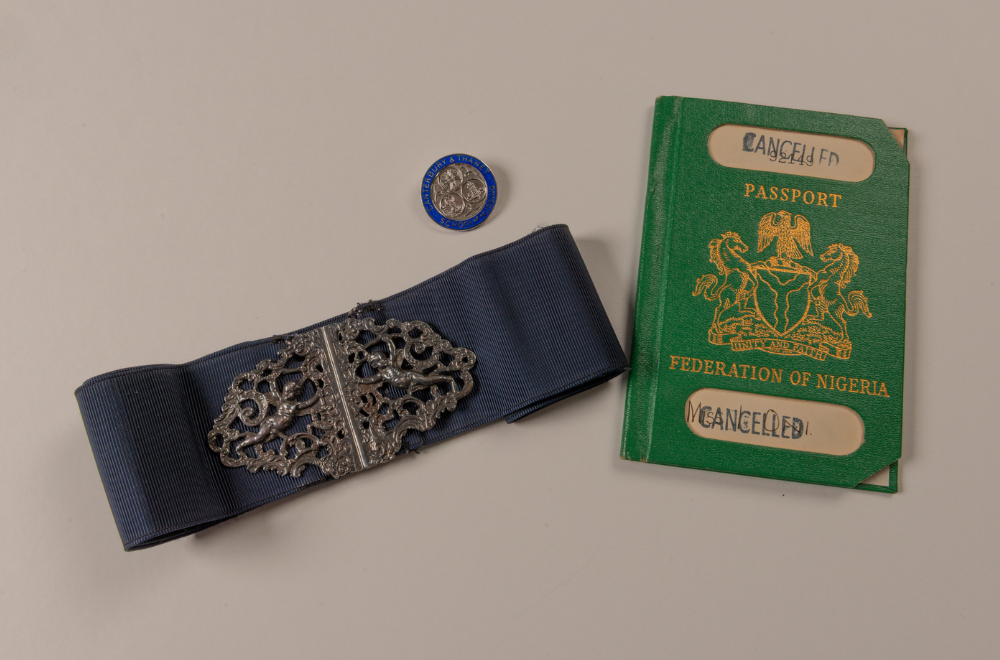
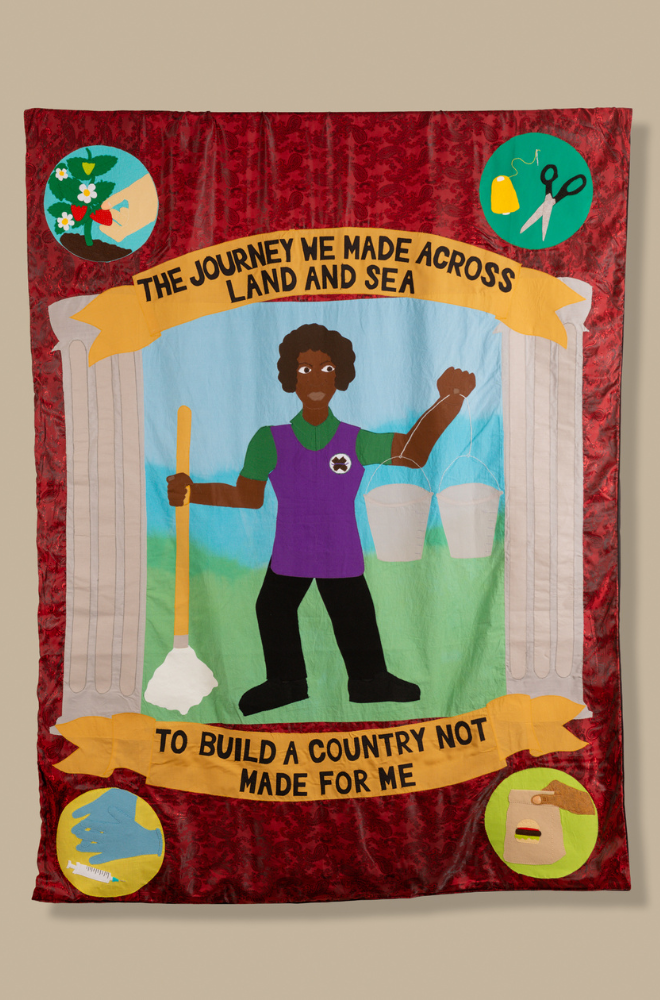
For more than two hundred years, migrant nurses have made outstanding contributions to the nursing profession in Britain and beyond. Despite this long history movement and innovation, this contribution continues to be overlooked, undervalued and – all too often – misrepresented.
As in the past, today’s international nursing staff encounter many challenges when they move to the UK – from visa applications to finding accommodation to discrimination. In 2025, a staggering 42% of internationally educated nursing staff surveyed by the RCN said they intended to leave the UK.
Yet, as they have done for many decades, international nursing staff make a vital contribution to the health of our nation. In the face of increasingly hostile immigration measures and unacceptable anti-migrant rhetoric, it has never been more important to recognise this contribution. This exhibition is dedicated to all those who have moved to care, bringing expertise, compassion, diversity and so much more to the UK.
Inside Home
As part of the exhibition, we commissioned Inside Home – an artistic installation by Haleema Aziz. Featuring contributions from multiple generations of nursing staff, it took inspiration from the ‘Balikbayan box’ – a Filipino custom where migrant workers send boxes containing gifts and other essentials back home to their loved ones. The artist explained:
“Creating this piece has been a labour of love and a reflection on my parents’ journey of leaving everything behind to arrive in a place of uncertainty. The box carries not only material gifts, but also responsibility: the duty of caring for the people we could not bring with us, and the emotional weight of distance.
The walls of Inside Home are filled with contributions from student nurses, nursing staff, and community members as a tribute to a profession grounded in compassion, resilience, and service. Inside Home honours people from all backgrounds, and our shared experiences of belonging in new places.”
About the Artist
Haleema Aziz is a Manchester-based, mixed media artist and former NHS worker whose practice explores themes of migration, displacement, and belonging.
Oral Histories
Listen to these extracts from the oral histories of six nurses, talking about their experiences of migration and nursing:
Credits
This exhibition was curated by the RCN Library and Museum team, with support from the RCN History of Nursing Forum and the RCN Archive team.
The team would like to thank all our lenders and to everyone who contributed an invaluable story, experience, photograph or object to the exhibition.
Finally, thanks go to the Migration Museum who will be adding visitor stories collected on the exhibition’s story disc wall to the thousands of migration stories they have collected over the past decade.