

Nearly 2,000 council-run toilets have closed across the UK in the past 20 years. For some who struggle with chronic bowel and bladder problems, or other conditions that affect continence, limited access to public toilets can have a massive impact on their lives.
Socially isolated
Gaynor Monk suffers from irritable bowel syndrome and has a kidney issue which means she has to self-catheterise. Access to a clean public toilet is essential for her. “I’d like to see more public toilets as often they’re closed or not fit to use and the next one could be a long walk away,” she says. “I don’t go out at all sometimes for fear of not being able to use a toilet, especially if I’m going somewhere different.”
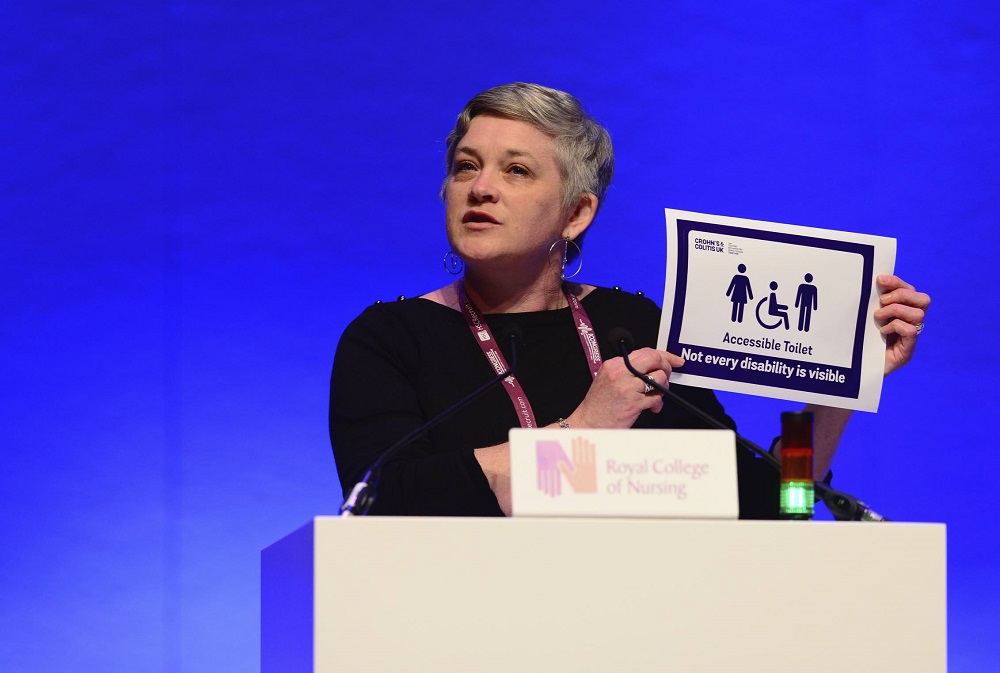
Gaynor attends a bowel clinic run by clinical nurse specialist Kelly Stackhouse. Kelly says: “A lot of my patients feel socially isolated because of the lack of public toilets. Many shops are reluctant to let people use their toilets unless they’re spending money. Some disabled toilets are not accessible, which can mean the difference of an accident and non-accident. There needs to be more awareness around this issue and we should be able to be vocal about this topic.”
This is not only a human rights issue, but a public health matter
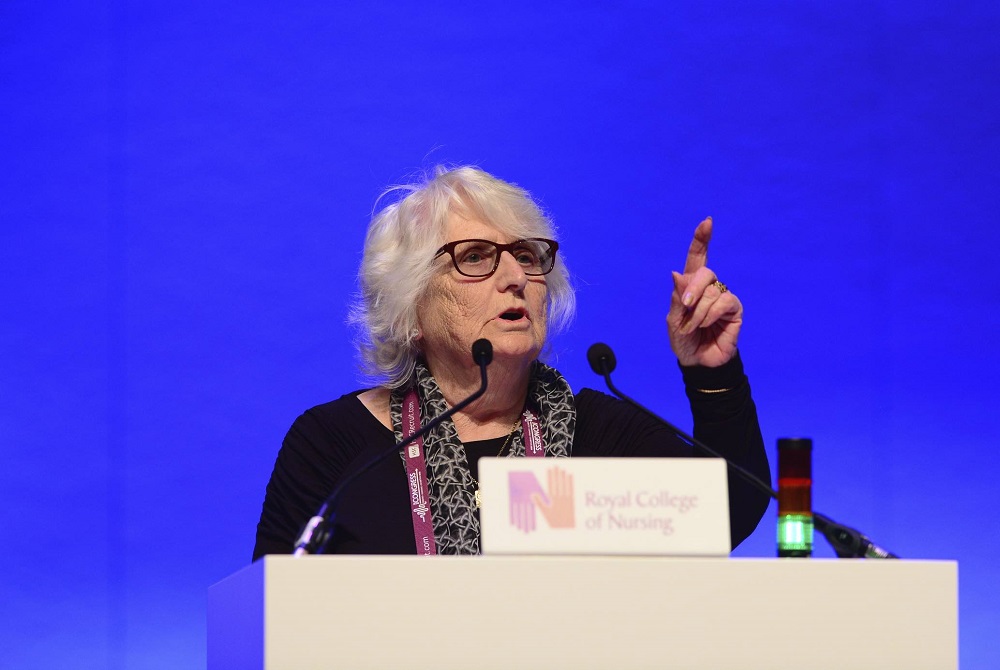
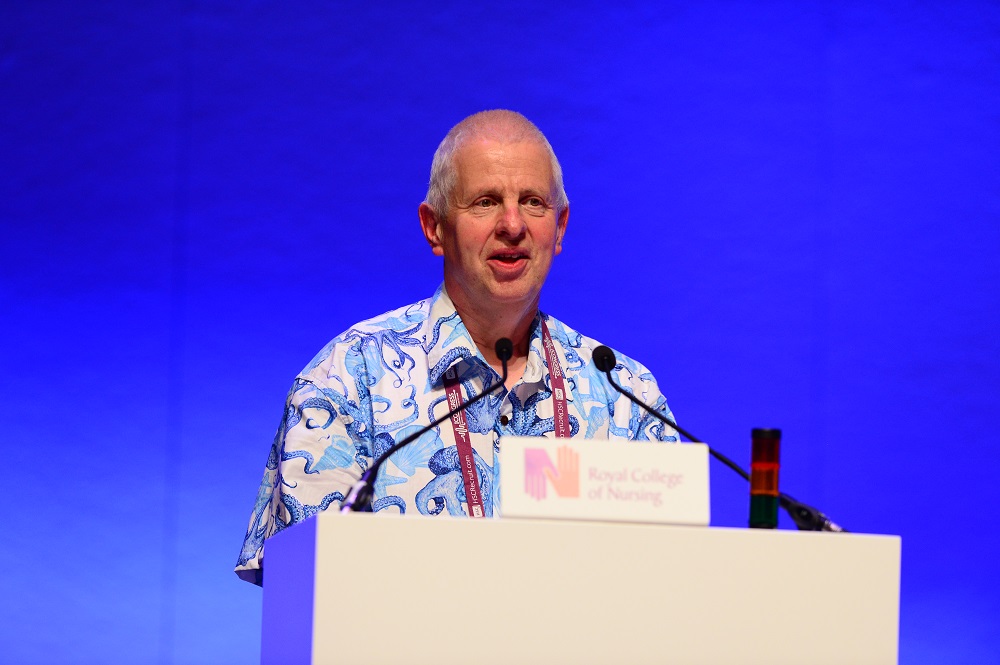
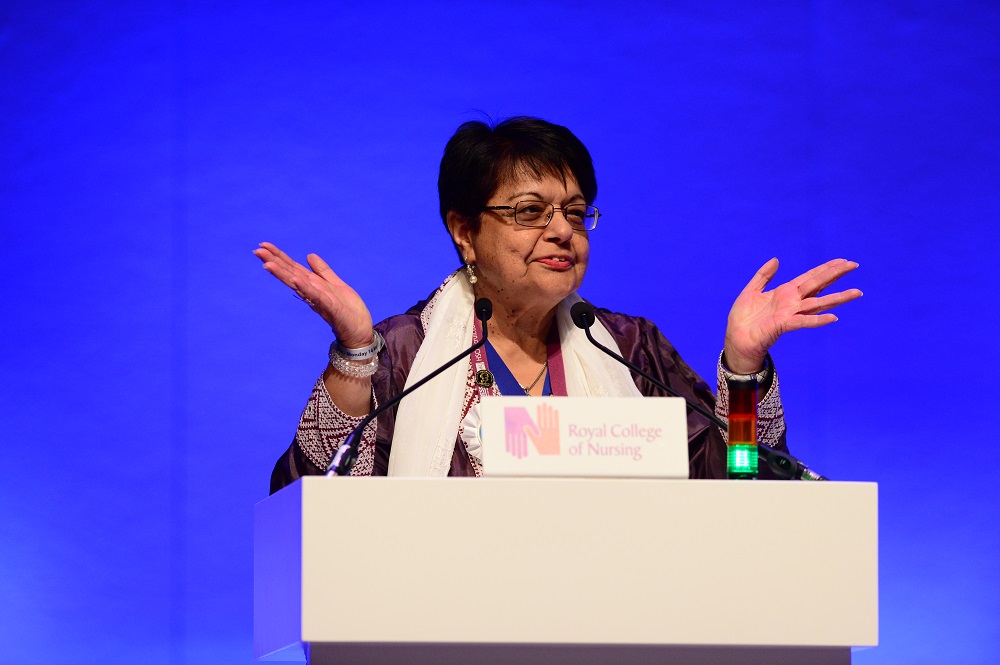
So strongly does member Philip Noyes feel about the issue that he brought it to the attention of delegates at RCN Congress in Belfast. His resolution called on the RCN to campaign for local governments to provide accessible public toilets for people with a broad range of needs.
“Access to public toilets is a matter of hygiene and personal dignity, and we need to make sure we support the needs of all,” he says. “There is no law that compels councils to make such a provision, although they are empowered to do so, and it is not surprising that it has become a victim of cost savings. But some in society are hard-hit; homeless people, those living in rural areas, and in particular people with a disability.”
Philip wants to see the RCN supporting toilet access campaigns, including Changing Places, Mum on a Mission and ERIC, the Childrens’ Bowel and Bladder Charity. “Without proper provision we risk excluding disabled people from society,” says Philip. “This is not only a human rights issue, but also a public health matter and it is a cause to which the RCN should consider adding its support.”
Health issues
Although disability-friendly toilets are available in some areas of the UK, their suitability for all types of disability is limited. In particular, although changing facilities for babies and small children are more common, adults who require a changing facility almost invariably have the floor.
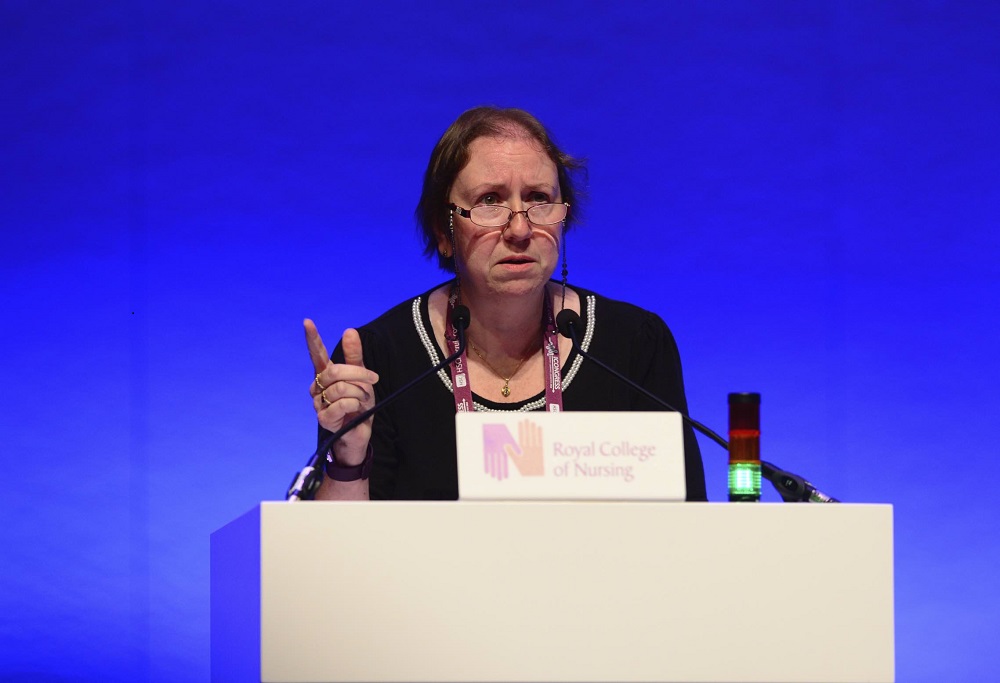
Ali Wileman, Chair of the RCN Continence forum, says: “Today and any day you can choose when and where you go to the toilet, even going into a cubicle and choosing to use or not use. What about the individual who requires specialist equipment? For someone who is disabled, the experience of using a disabled toilet is not pleasant, especially if it’s also a facility used by babies and young children. Not all disabled toilets are fit for every disability.”
The inability to satisfy essential physiological needs because no toilet is available contributes to health issues such as urinary tract infections, kidney infections, and digestive problems which can later develop into severe health problems. Inadequate access to a toilet when required can lead to substantial problems for men with prostate problems, women who are menstruating or going through the menopause and anyone with urinary and fecal incontinence.
“I know of people that make choices about what they drink and where they drink, to avoid going to the toilet while they’re out,” says Ali. “This may also cause urgency, constipation and possibly urine infections, dehydration leading to confusion and anxiety.”