
You are currently searching within the context of the global site
Search in local site-
Hypertension: diagnosis, assessment and management

Improve outcomes for patients with hypertension by following the most recent guidance. This module discusses blood pressure monitoring, risk factors and targets, lifestyle advice, drug treatment and patient education.
-
Intrapleural chest drainage: pathophysiology, treatment and nursing care
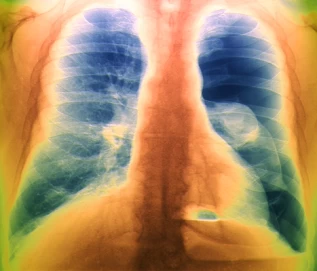
Nurses caring for patients with intrapleural chest drains require knowledge and skill to ensure patient safety. Revise and update your clinical practice by reading this module on chest drainage.
-
Safe and effective application of topical treatments to the skin

Review your clinical knowledge and understanding of skin barrier function and the effects this has on the absorption of medications, such as emollients and topical corticosteroids.
-
Improving surgical outcomes for people with dementia

Improve outcomes for patients with dementia who undergo surgery by following a suggested care pathway. This module covers ethical issues such as capacity and consent, as well as delirium, peri-operative care and the role of patients' families and friends
-
Managing fatigue in adults with multiple sclerosis

Discover how to assess fatigue in adults with multiple sclerosis, and how to manage the condition using evidence-based pharmacological and non-pharmacological approaches
-
Palliative care for patients with non-malignant respiratory disease

Learn how to overcome the barriers to delivering effective palliative care, with a particular focus on caring for people with non-malignant respiratory disease
-
Asthma care: a review of changes in current practice

Asthma is a common problem in primary care. This module discusses the findings from the 2014 National Review of Asthma Deaths and how these might change current practice
-
An evidence-based approach to intramuscular injection technique

Read this learning module to update your knowledge and skills in the administration of intramuscular injections. The evidence base in this area is reviewed and a framework for safe practice provided.
-
Parenteral nutrition: indications, risks and nursing care

Parenteral nutrition is often used to feed patients with intestinal failure who cannot be fed enterally. Update your current knowledge of associated risks including sepsis, metabolic and electrolyte imbalances, and identify how this differs from oral or enteral nutrition.
-
Alcohol-related liver disease: pathophysiology, risk assessment and patient support
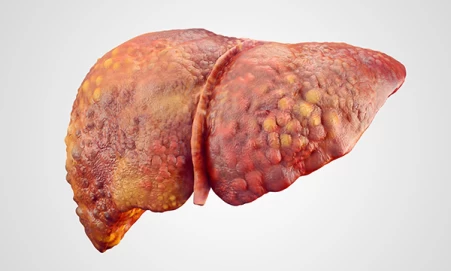
Review the mechanisms of liver injury caused by alcohol and the risk factors associated with alcohol-related liver disease. Improve patient care by updating your knowledge in this area.


