
You are currently searching within the context of the global site
Search in local site-
An evidence-based approach to intramuscular injection technique
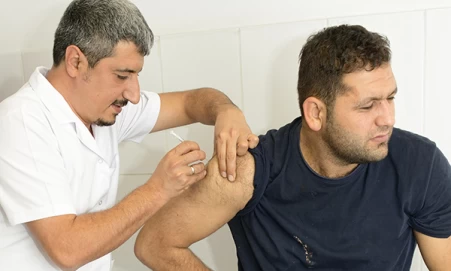
Read this learning module to update your knowledge and skills in the administration of intramuscular injections. The evidence base in this area is reviewed and a framework for safe practice provided.
-
Parenteral nutrition: indications, risks and nursing care
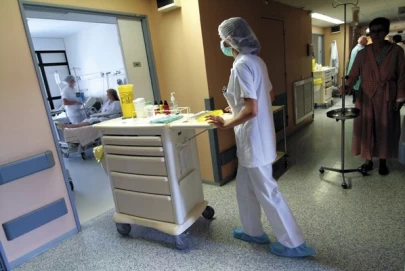
Parenteral nutrition is often used to feed patients with intestinal failure who cannot be fed enterally. Update your current knowledge of associated risks including sepsis, metabolic and electrolyte imbalances, and identify how this differs from oral or enteral nutrition.
-
Alcohol-related liver disease: pathophysiology, risk assessment and patient support
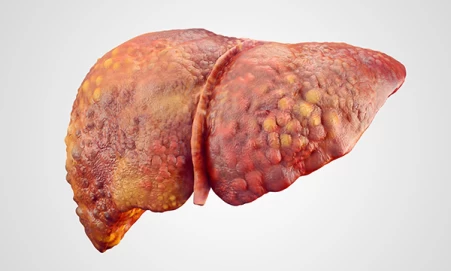
Review the mechanisms of liver injury caused by alcohol and the risk factors associated with alcohol-related liver disease. Improve patient care by updating your knowledge in this area.
-
Improving nutrition for older people in acute settings

This module offers advice on how to identify older inpatients at risk of malnutrition and offers strategies to help nurses improve the nutritional status and hydration of such patients
-
The role of surveillance in preventing healthcare-associated infections

Many healthcare-associated infections are preventable. Learn about the purpose of surveillance, key epidemiological terms and different approaches to surveillance.
-
Pressure ulcer prevention in frail older people
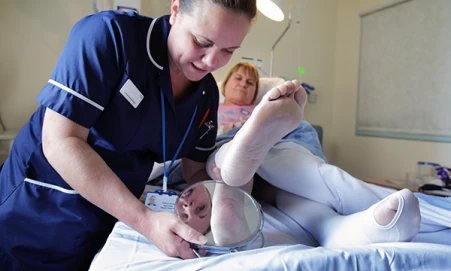
Discover how children's anatomy and physiology differs from adults' and the implications for anaesthesia
-
Use of patient group directions in medicines management

Study this module and learn how to use patient group directions (PGDs) competently and safely in your practice.
-
Distressed behaviours and agitation in older people with dementia

Recognising, assessing and minimising distressed behaviours to promote well-being.
-
The role of the community nurse in integrated end of life care
This module explores the main factors that affect end of life care provision in the community. It suggests ways in which community practitioners can develop their skills in this important area of care provision.
-
Effective nurse-led approaches to reduce colorectal cancer
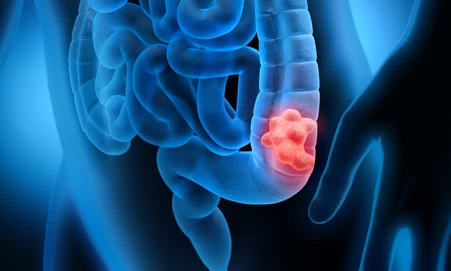
Colorectal cancer is a major threat to health. It needs to be diagnosed and treated early. Nurses can actively encourage the uptake of screening services, to assist in achieving this.


