


When a major incident occurs, every second counts.
Whether responding to a road traffic collision, industrial accident, or climate-related emergency, health care professionals must make life-saving decisions in moments.
While paramedics and other emergency responders are often recognised as the first on the scene, the vital role nursing staff play in emergency response cannot be overestimated.
As part of a partnership between Malawi, Zambia and the UK, a team of critical care nurse educators are working to enhance trauma response training. This collaboration brings together nurse educators from the Kamuzu University of Health Sciences (KUHeS), Birmingham City University (BCU), and critical care nurses in Zambia.
The Malawi lead, Dr Rodwell Gundo, Head of Adult Health in the Department of Nursing at KUHeS, co-ordinated this innovative training programme, which puts nursing leadership at the centre of major incident planning and response.
Recognising the challenge
Malawi's health system operates under significant resource constraints. Hospitals regularly face medicine, equipment and staff shortages, while access to specialist emergency and trauma services remains limited in many parts of the country.
At the same time, there's a shortage of nurses trained in emergency and critical care.

Historically, opportunities for specialist training have been limited. Many nurses seeking advanced education in emergency and critical care have had to travel outside of the country to gain the knowledge and skills needed to work in these highly specialised areas.
That picture is beginning to change. KUHeS has introduced specialist programmes, including paediatric critical care nursing and a Bachelor of Science in Emergency and Critical Care Nursing.
Bridging the gap
To help address these challenges, BCU supported a group of critical care nurse educators from Malawi to visit Zambia. They worked alongside local colleagues and observed a national trauma training programme that’s been preparing critical care nurses for the past five years.
Following the visit, Rodwell and an international team of nursing experts developed a bespoke training programme for Malawi; focused on emergency, trauma and critical care.
Delivered through immersive workshops, the course combines theory with hands-on skills development. Participants build clinical expertise alongside communication, leadership and decision-making skills, helping them prepare for the realities of major incident response.
The programme focuses on the entire patient journey, from the point of injury through to rehabilitation.
The learning culminates in a full-scale major incident simulation involving local police, emergency services and government officials. Working through a realistic emergency scenario, participants must apply their skills in real time while being observed by facilitators.
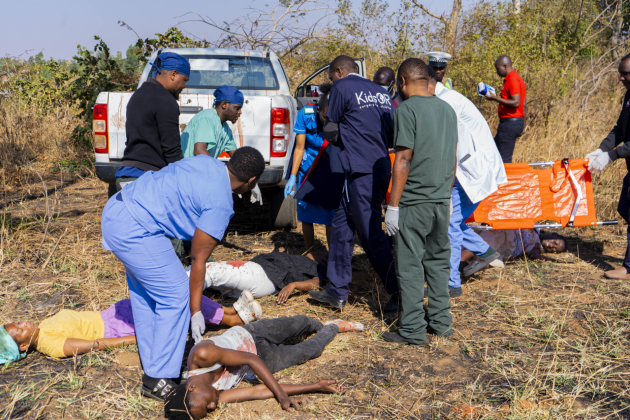
The course was piloted in Malawi in July 2026 with colleagues Dr Wyness Gondwe and Dr Chimwemwe Mula, alongside partners from Zambia and the UK.
Built by nurses, for nurses
Two RCN members, Professor Joy Notter and Associate Professor Dr Chris Carter, have played a key role in leading the development of this programme in both Zambia and Malawi.
Based at the Centre for International Health Partnerships at BCU, Joy and Chris built on a collaboration first established in 2022 between the Zambian Ministry of Health and the Critical Care Nurses Association of Zambia.
Working alongside specialist nurses in Zambia, they developed the course and helped roll it out across the country.
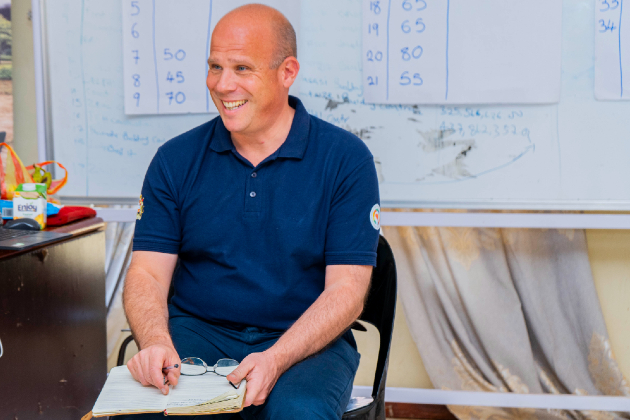
Designed by nurses for nurses, the programme uses a "train-the-trainer" approach, enabling local nursing teams to deliver the course themselves and build long-term capacity within their own health systems.
For Chris, BCU's critical care lead educator, ensuring nurses were at the heart of the programme was fundamental.
"The contribution of nursing is often overlooked in major incidents, and we were determined to change that perception," he says.
"We wanted to create something that develops leadership capability, empowers nurses, and equips them with the skills and knowledge needed to make life-saving decisions and coordinate responses during major incidents."
To date, more than 600 specialist critical care nurses have completed the programme in Zambia, helping to strengthen emergency and critical care services across the country.
Creating confidence
Critical care nurse Rutendo Tembo was among the first participants to complete the course in Zambia. Today, she is one of its facilitators and part of the team supporting implementation in Malawi.
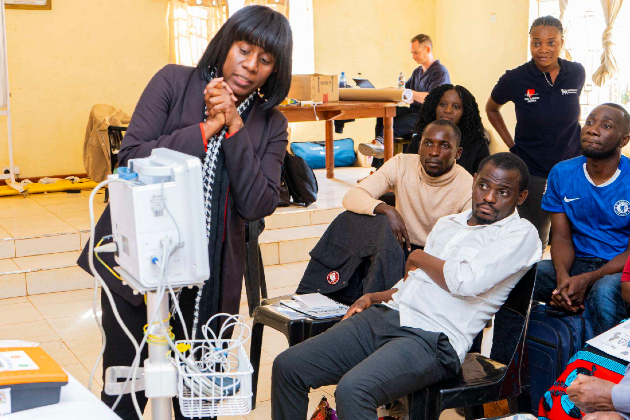
For Rutendo, the impact extends far beyond technical skills.
"It gives you a head start in managing complex trauma patients and exposes participants to skills and knowledge they might not otherwise access," she says.
"It's incredible how much confidence people gain throughout the course. Now, as a facilitator, it's rewarding to watch that transformation happen in others."
That confidence matters. In environments where resources are limited and emergencies can arise without warning; empowered nurses play a crucial role in improving patient outcomes and co-ordinating effective responses.
Building a sustainable legacy
For the Centre for International Health Partnerships at BCU, the programme is about delivering practical support that can drive long-term change.
"I've seen first-hand the impact this course has had in Zambia," says Chris.
"It goes beyond training individual nurses. It encourages local partners to think more strategically about major incident planning and strengthens relationships between hospitals, police and emergency services."
The impact is already visible in Kasungu. Following the training, local government officials and the district hospital committed to developing a formal major incident plan, helping to strengthen emergency preparedness across the community.
The power of international partnerships
The programme's expansion into Malawi also highlights the power of partnership working. In November 2025, the RCN and BCU signed an agreement to support the future development of nursing education and practice in Malawi.
At its heart is a shared ambition: strengthening nursing through sustainable partnerships, investing in local expertise, and ensuring nurses have the skills, knowledge and leadership opportunities they need to improve care for their communities.
“The work being undertaken by our partners from the National Organisation of Nurses and Midwives of Malawi and BCU in Malawi is transforming opportunities for nurses and raising standards of practice across the country,” says Elsa Afonso, Head of the RCN’s International Academy.
“Our commitment to supporting our nursing colleagues in Malawi is rooted in genuine collaboration, mutual learning, and truly equitable partnerships. It’s through these relationships that lasting and meaningful change can be achieved.”
As Malawi continues to strengthen its emergency care capacity, the ambition is clear: when disaster strikes, nurses should not simply be part of the response, but leading it.
Further information
Find out more about Birmingham City University's Centre for International Health Partnerships.
Read more about the RCN International Academy and our partnership activities.