


When nurse Anne Howard was diagnosed with the condition at 17, she was simply told she had polycystic ovary syndrome (PCOS), now known as polyendocrine metabolic ovarian syndrome (PMOS), and she’d probably struggle to have children.
“No other information was given,” she remembers. “No one explained why this had happened; I was just left to work it out for myself.”
Anne, Chair of the RCN Fertility Nursing Forum and Deputy Director of Nursing at Peppy Health, fears things haven’t changed enough.“Why aren’t we talking about it more?” she asks. “This is a common condition affecting millions of people and it needs more attention and resources.”
PMOS: your questions answered
It’s often difficult to get a diagnosis but the challenges faced can range from upsetting to life-altering. Anne helps to answer some common questions.
What is PMOS?
PMOS, formerly known as PCOS, is a common but complex endocrine condition that affects around one in eight women. That’s more than 4 million across the UK.
Despite how common it is, many people still face years of uncertainty before getting a diagnosis.
PMOS can also affect transgender men, non-binary and gender-diverse people.
Everyone experiences PMOS differently and it's important to ensure care is inclusive.
The name change reflects the reality that this is a whole-body condition, not just an ovarian condition, with hormonal, metabolic and psychological effects that can be life-changing and sometimes debilitating for many people.
Everyone experiences PMOS differently and it can affect different parts of the body, including the ovaries, uterus, adrenal glands and liver.
What are the symptoms?
Symptoms may include:
- irregular or no periods
- excess hair growth on the face and back, as well as chest and buttocks
- hair loss on the head and thinning hair
- oily skin/acne
- weight gain
- reduced fertility
- insulin resistance
- fatigue and low energy levels
- mood changes
- sleep problems.
There are some less noticeable symptoms, too. Those with PCOS can be more prone to issues with sleep and severe fatigue, and are more at risk of depression or anxiety. Also, despite often having irregular periods, when they do have a period, it can last longer, and can often be very painful.
What are the causes?
The exact cause of PMOS isn’t known. However, it's thought to be influenced by a combination of genetic and hormonal factors. Having a close relative with PMOS, such as a mother, increases the likelihood of developing it.
PMOS is linked with hormonal imbalances, particularly higher levels of androgens, such as testosterone. Many people with PMOS also experience insulin resistance, where the body has to produce more insulin to keep blood sugar levels stable.
These raised insulin levels can stimulate the ovaries to produce more testosterone, which can interfere with ovulation and contribute to symptoms, such as irregular periods, weight gain, and reduced fertility.
Having PMOS does not mean someone is infertile
How’s PMOS diagnosed?
A diagnosis is made when two of the following are present:
- irregular, infrequent periods or no periods
- signs of high “male” hormones, such as an increase in facial or body hair and/or blood tests showing you have raised testosterone levels
- polycystic ovaries seen on ultrasound.
For adolescents, the current guidelines recommend focusing on oligo – or anovulation – irregular or infrequent periods or not ovulating or releasing an egg, combined with hyperandrogenism – meaning having excess male hormones such as testosterone. They advise against using ultrasound as a diagnostic tool in this age group.
Can people with PMOS get pregnant?
Yes. Many people with PMOS conceive naturally and have no difficulties getting pregnant. Having PMOS does not mean someone is infertile.
PMOS can affect how regularly ovulation occurs, which may make it harder for some people to predict fertile windows, therefore making it difficult to become pregnant. For those who do experience irregular ovulation, support and treatment can help improve cycle regularity and ovulation.
What are some of the long-term consequences?
- Diabetes: higher risk of type 2 and an increased risk of developing gestational diabetes.
- High blood pressure.
- Increased risk of cardiovascular disease.
- Endometrial cancer: there’s a small risk of endometrial cancer in women who have fewer than three periods a year.
- Mood and self-esteem.
- Snoring and fatigue due to sleep apnoea.
Find out more at RCN Learn.
- Your next read: Sleep apnoea: when snoring becomes dangerous
What’s the best treatment?
There’s no cure for PMOS, but lifestyle changes can be as effective as medication in reducing symptoms and managing the condition.
This includes exercising regularly and eating a healthy, balanced diet.
There is also a range of medical treatments available, and the right option will depend on your symptoms and individual circumstances. While the contraceptive pill is commonly recommended to help regulate periods, it isn't suitable or effective for everyone.
Don’t struggle alone or be afraid to advocate for yourself
To help with fertility problems, the NHS says a medicine called clomifene may be the first treatment recommended for women with PMOS who are trying to get pregnant.
You can find out about the whole range of treatments and medications on the NHS website.
What should you do if you’re experiencing symptoms?
Prepare for GP appointments. With only limited time available, write down your symptoms beforehand so you don’t forget anything.
Don’t struggle alone or be afraid to advocate for yourself either. Painful or irregular periods aren’t normal, and people should push for investigations or second opinions if needed. Don’t stop pushing until you get the care you deserve.
Changing narratives
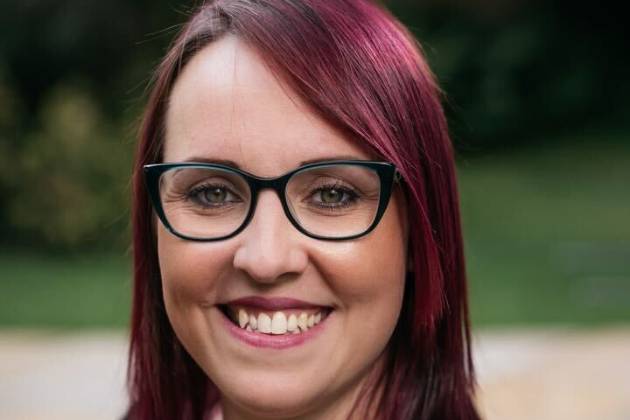
Once diagnosed, Anne believes support should be personalised. “For me it was weight; for others it might be hair or fertility. We need to ask how PMOS affects each person and what nursing staff can do within our role to help,” she says.
Anne admits she struggled at first with the condition. “I was piling on loads of weight, and I wondered why this was happening to me and not others.
“There’s a greater risk of people with PMOS developing an eating disorder, because of how it can affect your body and make you feel. That's what happened in my case – the impact on my mental health was dramatic. However, this will not be everyone’s story.
It's not always easy to manage the condition, but it is possible
Her understanding grew over time, especially when she began working in fertility. “When managing PMOS you need to look at your lifestyle – are you eating well?” she says. “Could you be more active? Consider how much alcohol you’re drinking – moderation is key.”
“Now, 22 years on from my diagnosis and one child later I am still finding ways to manage the condition myself. It’s not always easy but it is possible. And everyone’s management plan may be different,” she adds.
Supporting patients
There are currently very limited specialist nurse roles in PMOS, but nursing staff working in general practice and gynaecology will often see individuals with the condition.
Anne says: “Awareness is slowly growing. As part of the nursing team, you can play a vital role in raising this and supporting people.

“It’s helpful for all nursing staff to have a basic understanding of PMOS to help with diagnosis and to support women in making healthy lifestyle changes, accessing resources, and signposting to their GP and charities, such as Verity.”
Anne also highlights the importance of age. “There’s still limited information about how PMOS affects menopause, but it doesn’t go away. We need to keep learning, talking, and raising awareness so people get the right support at the right time.”