


Despite being a registered mental health nurse and former chief nursing officer with more than 25 years' experience, Teresa Barker believes she’s never had training on hormone health and how it can drastically affect women’s mental wellbeing.
Menopause is the point a woman hasn’t had a period for a year, ending her reproductive years; leading up to this, hormones fluctuate and change. This time is commonly referred to as perimenopause and can begin several years before actual menopause.
As well as physical symptoms including irregular periods, itchy skin and joint and muscle pain, mental health is also commonly affected for someone going through perimenopause.
“If you’d asked me three years ago what perimenopause was, I wouldn’t have known,” says Teresa. “After my symptoms began, I did my own research and realised the lack of knowledge and understanding around perimenopause is a systemic societal issue.”
I'd always associated menopause with hot flushes
According to a YouGov poll commissioned by the Royal College of Psychiatrists (RCPsych), only 28% of women know a new mental illness can be associated with menopause. Yet, 93% of women associate menopause with hot flushes and 76% with reduced sex drive.
And a separate study found the first diagnosis of bipolar disorder is more than twice as high in the four years leading to menopause compared with the period six to 10 years before, and the incidence of clinical depression is around 30% higher.Hormonal and physical changes associated with menopause may also trigger or lead to a relapse of eating disorders. Suicide rates are also higher among women of menopausal age.
Lack of understanding
Teresa describes her own experience of perimenopause as terrifying.
“I woke up one morning with a gripping anxiety so acute and so unlike anything I’d ever experienced before,” she says. “I was discussing what happened to a colleague who told me I’d been ‘hit with perimenopause’.”
Perimenopause can start in a woman’s mid-30s, maybe earlier.
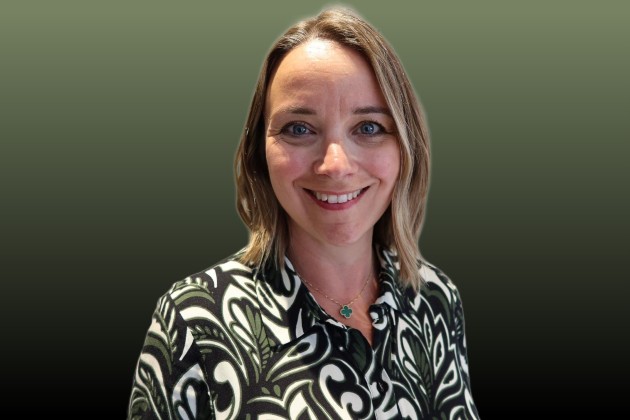
Teresa believes women in this age group are sometimes misdiagnosed with depression or anxiety – genuine conditions on their own – but often medical professionals don’t have adequate training to assess people properly, which can lead to prescribing unnecessary treatments or medication.
“I’d always associated menopause with older women and hot flushes,” she says. “But anxiety and low mood are also common symptoms. Because there’s a lack of understanding around perimenopause, some women are prescribed antidepressants, when they should be prescribed hormone replacement therapy (HRT).”
Perimenopause and HRT
Perimenopause is the natural transitional phase leading to menopause, where oestrogen and progesterone levels fluctuate as ovaries gradually slow down.
It usually begins in the mid-30s to early 50s, causing irregular periods, hot flashes or flushes, and mood changes, lasting until 12 months without a period (menopause).
HRT is a treatment that replaces the hormones naturally declining during perimenopause and menopause.
It can significantly ease these symptoms and support long-term health when used appropriately.
There are different types of HRT, including creams, skin patches, pills and pessaries, so you should always check with your GP about your options and make sure you find the right medication for you.
Emotional toll
Teresa discovered more about perimenopause through the British Menopause Society and uses a menopause app to track symptoms.
She says: “My advice for anyone going through these changes is to get educated. I found the more I read and researched, the more I could advocate for myself.
"When I went to the GP, having tracked my symptoms (there are various menopause tracker apps you can download) and understood what was happening, I was armed with information. There still seems to be a stigma when it comes to perimenopause and advocating for what you need.”
Working in a physically demanding space can amplify feelings of overwhelm
The average age of a registered nurse in the UK is 44, and with more than 80% of the profession made up of women, nursing staff will be more affected by perimenopause symptoms. Perimenopause also happens at a time when someone may still be caring for young children or caring for older relatives, which can add to mental overload.
For nursing staff who've always been relied upon, sometimes for many years in their role, even mild symptoms can be frightening.
“Long shifts, night work, high stress and the emotional toll of nursing means hormone fluctuations can really have an effect,” says Teresa.
“Physical symptoms – heavy, irregular bleeding, migraine, and palpitations – coupled with working on a hot ward where you might struggle to go to the toilet, and working in a physically demanding place, can all amplify feelings of overwhelm.”
Employer duty
It can be a vulnerable time for nursing staff, especially if they experience brain fog, exhaustion, slower concentration or not feeling they’re able to multitask as they've been used to.
While experiencing perimenopause isn’t necessarily a disability within the nine protected characteristics of the Equality Act 2010, you can approach employers and ask for reasonable adjustments, especially if the symptoms are affecting your work.
- Read next: Changing the conversation around menopause
“Speak to your manager and ask for a referral to occupational health,” says Teresa. “You can also ask for protected time for documentation if you find you need longer to complete written tasks, ask for adjustments to uniform if you’re experiencing itchy and hot skin, and make sure you take your breaks and drink water. These small things can all make a difference.”
Teresa also emphasises the role of supporting colleagues.
“If you know a colleague's going through perimenopause, ask what they need rather than assuming. It’s important nursing staff advocate for what they need as in doing so, they’re keeping themselves and their patients safe.”
Teresa’s tips for advocating during perimenopause
- Educate yourself. Teresa uses the Balance app, but there are other perimenopause symptom tracker apps to download with a wealth of information. If you’re experiencing new symptoms, especially related to mental health, consider if they could be linked to perimenopause.
- Diet and exercise. Exercise is proven to lift mood and help relieve anxiety; it’s also a good way to strengthen bones and prevent osteoporosis. Eating a healthy diet with plenty of fruit, vegetables and protein can also help reduce the symptoms of perimenopause.
- Speak to your manager. If perimenopause symptoms are long-term and having a substantial impact on your ability to do your job, these symptoms could be considered a disability and you will need reasonable adjustments.
- Speak to your GP. If you’re experiencing perimenopause symptoms, talk to your GP who can to prescribe HRT and discuss options.
- Contact the RCN. We’re here for you in all aspects of your working life, including if you need support with perimenopause. Speak to an RCN adviser to find out more about counselling, how to approach your employer or any other concerns.
More information
Read our advice guide on menopause at work for nursing staff in all settings.
Members with an RCN login can access our learning module on menopause.
Read more of our RCN Magazine features around menopause:
- How your employer can support you with symptoms
- How nurse Wendy set up a menopause passport to support nursing staff
- The essentials of menopause for non-specialists.


