
You are currently searching within the context of the global site
Search in local site-
Breaking barriers

We look at what some universities are doing to address the profession’s gender imbalance
-
The domino effect
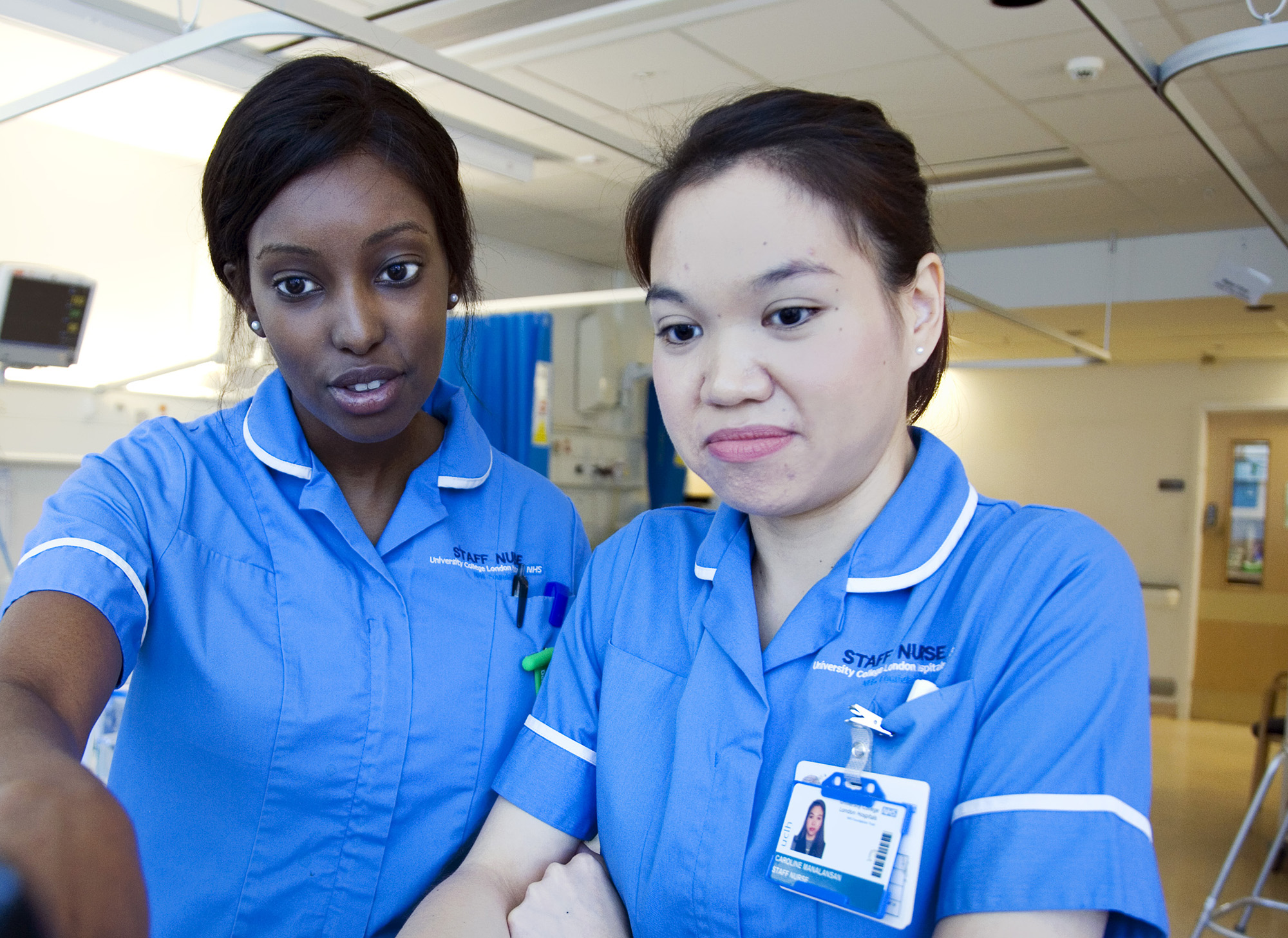
The RCN reveals the results of its latest employment survey
-
Remembering that night

Cheryl reflects on treating victims of the Manchester Arena bombing
-
New perspectives

Learning disability nursing student Iola Mair shares her experiences of a life-changing placement in Ghana
-
A historic happy Christmas
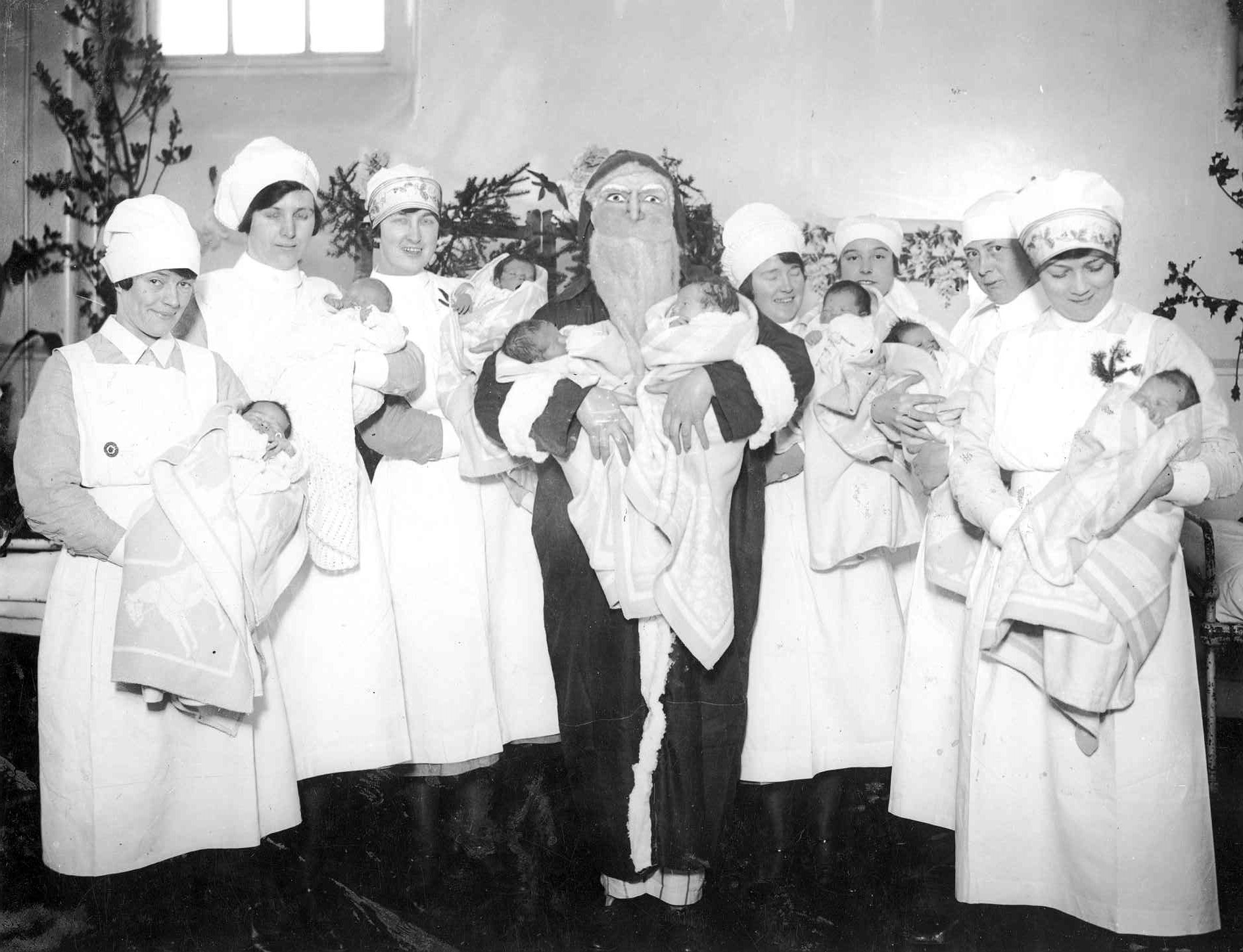
We delve into the RCN Archives for a look at Christmas past
-
Making history

Joe, Leigh and Jon are helping to radically reduce rates of HIV
-
A hard day's night

Student nurse Chloe Taylor shares her top tips for surviving night shifts
-
Talk through the taboo

Nursing student Catherine Hind writes about how vital it is to keep having the difficult conversations
-
Always think sepsis

Nursing student Katie Dutton reflects on how a near-fatal scrape with sepsis inspired her to increase awareness of it
-
Caring in Calais

Rosie Schofield shares her experiences of volunteering with refugees


