


As the glass smashed, the noise hit like a hurricane. Catalina couldn’t believe what she had just witnessed. She’d thought it was impossible for one person to lift the weighted table, yet this man seemed to have superhuman strength. It was hard to drag along the floor, let alone throw through the large window in the mental health unit where she worked.
The room was destroyed. Police officers, on site to facilitate the Mental Health Act section handover, were still present. To Catalina’s relief, they stepped in.
Her respite was short-lived. Before she knew it, she was struggling to breathe, as pepper spray engulfed her confined surroundings.
“I felt like I was coughing my lungs out,” she recalls.
The man who had thrown the table was put in seclusion under observation for three days before being moved out of the unit. Enough time for the drugs to get out of his system.
Catalina was away from work for a week while she recovered. Her colleague, who worked on the bank, also had to take time off.
Extreme violence and the consequences that follow were now part of the job
She completed an incident form, and her manager phoned to see how she was, offering an opportunity to speak to someone about what had happened. But there was no arrest and no prosecution.
This act of extreme violence and the consequences that followed were considered part of her job.
A growing risk
This wasn’t an isolated incident. Catalina’s role as a nursing associate in the unit in London continually places her in the line of danger. She’s an experienced professional, having worked in the field for 12 years, and in the unit for seven, but she says what she faces right now is more challenging than anything she’s ever encountered in her working life.
“The unit admission policy has changed in the last couple of years. Now, police bring in people who are in a mental health crisis from all over London. They’re usually distressed, sometimes terrified, and some will try to leave by any means.
“We previously only admitted patients who we knew and had access to their records. Now, we’re unfamiliar with the patients so not as prepared to minimise potential triggers.
“People who have been sectioned need urgent treatment. You simply can’t rationalise with someone full of fear. They could be having horrendous hallucinations.”
The unit, which consists of two rooms, usually has three staff – one registered nurse and two nursing support workers. A maximum of two patients can be seen at any one time, usually for 24 hours. This can be extended for an extra 12 hours if needing medical clearance, under Section 136 of the Mental Health Act.
“I can understand people are terrified and out of their comfort zone – they don’t want to be in a locked ward. I’ve worked on a male psychiatric intensive care unit with 12 beds in the past, but I feel much more unsafe now,” Catalina says.
Your action checklist: what to do if you’re assaulted at work
- Report the assault to the police immediately, even if you have been attacked by a confused patient or a service user. If you don’t, any later criminal injuries compensation claim will be refused. In England and Wales, in line with the victim's code, police investigate the circumstances and keep the person who reported it updated on action.
- Report the assault as an incident through your employer's accident or incident reporting system, and to your manager. Refer to your employer's work-related violence policy, which may offer guidance and details of any specific processes you should follow.
- Keep a record for yourself and get advice from the RCN. Speak to your rep – a health and safety rep if you have one in your organisation. Health and safety reps can inspect the work area and investigate the incident. They can also raise concerns about safety that are not being addressed.
- If there’s been an increased risk of violence due to staffing shortages as part of an overall increase in unsustainable pressures at work, raise these concerns and any incidents that occur because of this.
- If you’re asked for a statement, read our statement writing guidance.
- Check your employer's sickness policy and our sickness advice if you require time off because you have been injured.
- If you work for the NHS, read our information on NHS injury allowance.
- If you’ve been injured, find out more about our advice on personal injury.
- In some circumstances, you may be entitled to compensation from the Criminal Injuries Compensation Authority (CICA) if you were injured in England, Scotland or Wales. In Northern Ireland, contact the Northern Ireland Criminal Injuries Compensation Scheme. Contact us if you would like to discuss making a claim.
- In addition to any physical injuries, you may be traumatised, stressed and anxious. Access emotional support using the RCN counselling service.
Continued abuse
Catalina faces verbal and physical aggression almost daily at work. Patients sometimes lash out with the plastic or wooden knives on the unit, and the verbal hostility can be constant.
Some comments have even targeted her background – she was born in Romania – adding an extra layer of distress. She’s been subjected to insults and threats that no one should have to endure in a care environment.
Organisational policies can be unhelpful if they create unsafe work environments by removing patient choice. This can increase distress, which may be redirected to patient-facing staff.
Catalina says patients often become obsessed with the need to go out to smoke, which isn’t permitted. Previously, when the trust was only admitting its own patients, they provided vapes. This is no longer funded as the patient base has expanded. Patients who are already scared are now becoming even more agitated.
We don’t go to work to be emotionally or physically injured
“One person was banging on the windows demanding they had a human right to go out to smoke. They filmed me and threatened me, saying gang members would be called to come here and smash up me and the surrounding area if I didn’t get them a cigarette.”
She regularly sees her colleagues being attacked too.
“It’s usually those who are in a patient-facing role, but it happens in all kinds of settings. A nursing support worker on another ward was bitten by a patient. Another colleague was knocked unconscious while working in a liaison team in A&E.”
RCN evidence: a bleak picture
Respondents to the latest RCN Employment Survey (2025) were asked whether they had experienced physical or verbal abuse in their workplace from a patient, service user or relative in the previous 12 months.
- 27.3% said they had experienced physical abuse.
- 64% reported they had experienced verbal abuse.
- Non-binary and male respondents are more likely to report having experienced verbal and physical abuse than female respondents.
- Younger respondents are more likely to report having experienced verbal and physical abuse than older colleagues.
- Black respondents and those of a mixed ethnic background were most likely to state they had experienced physical abuse in the previous 12 months.
Speaking out
Catalina says that although she feels she’s becoming somewhat used to the constant pressures and difficult interactions, she knows the effects may be long‑lasting.
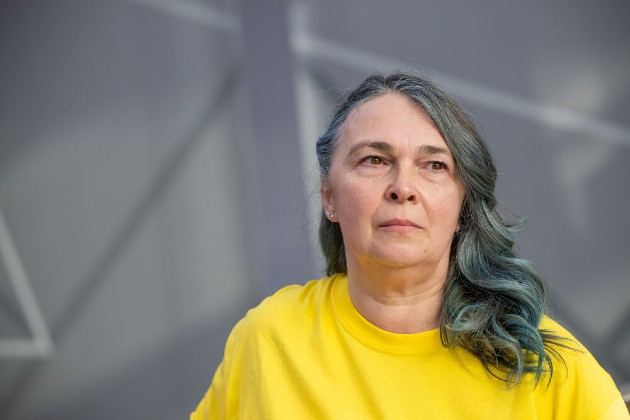
“It’s triggering trauma. I have nightmares and I dread going to work now,” she says.
With the police dismissing these cases in her unit unless a weapon is involved, she believes it’s time for all nursing staff to speak out.
“We need to be less afraid of losing our jobs, being seen as a troublemaker – or even being accused of being lazy. This has happened to me once when I said I wouldn’t work with a patient who was acting in an intimidating manner.
“We need to be more open about how pressing this issue is. Verbal assault needs to be taken more seriously – it’s an attack that can escalate and it has a significant impact on your stress levels. It’s like a powder keg – you never know when it will explode.
“We don’t go to work to be emotionally or physically injured, we’re there to help make patients better.”
Protect staff while challenging stereotypes
Amber O’Brien, RCN Professional Lead for Mental Health, says:
"No mental health nursing professional should ever be expected to absorb violence or aggression as part of the job.
“Staff deserve to feel safe, supported and empowered to report incidents, and that requires organisations and police partners to take them seriously.
“At the same time, we must challenge the harmful myth that people with mental health problems are inherently violent. What we see on wards is often the collision of acute distress, loss of control, and environments that can feel restrictive or overwhelming.
"When someone is frightened, unheard, or stripped of choice, fear can sometimes be expressed as aggression. Organisations have a responsibility to design policies that are genuinely therapeutic; creating spaces that maximise autonomy, reduce frustration, and support recovery.
“When organisations enable environments that uphold dignity and minimise coercion, they protect both patients and staff, and stop those providing patient-facing care from bearing the brunt of systemic failings.”
Find out more about the RCN Mental Health Forum.


