


A patient mentions a breast change during a routine appointment. A colleague admits they've ignored their screening invitation. A friend spots something unusual but isn't sure whether to get it checked.
These everyday conversations can make a real difference.
It’s the most common cancer in women in the UK, with approximately one in seven developing it in their lifetime. Nobody is immune to breast cancer.
Breast cancer doesn't only affect women, but also hundreds of other people across the UK each year, including around 420 men who are diagnosed with the condition, according to Cancer Research UK.
Despite this, breast cancer screening attendance is in decline, fuelled by a lack of awareness and education about its importance, as well as misconceptions around the process.
“Whatever your role, a patient may mention a breast change during a seemingly unrelated conversation, ask whether screening is painful, or say they’ve ignored an invitation,” says Shannon Copeland, RCN Cancer Forum Committee member, and registered nurse and PhD Researcher.
All nursing staff should see raising breast awareness as part of their role, Shannon says. “For our patients, and for ourselves. Our participation sends a powerful message: early detection saves lives."
"It’s essential our messaging is inclusive across all demographics," adds Shannon. "We need to ensure we don’t widen health inequities, particularly among those from disadvantaged groups who are less likely to participate in breast cancer screening leading to delayed diagnosis and poorer outcomes.
“A knowledgeable and compassionate response can help someone seek advice promptly and transform their journey.”
This matters because early detection through regular screening can substantially reduce mortality rates and lead to better treatment outcomes.
But what does screening involve and what else can nursing staff do to support patients?
Shannon explains what you need to know about breast awareness and screening.
What is breast cancer?
Breast cancer isn’t a single disease but a group of conditions with different behaviours, growth patterns, and treatment responses.
It starts when cells in the breast begin to grow in an uncontrolled way.
Normally, breast cells divide and repair themselves in an orderly fashion, but when genetic changes occur, some cells start to multiply faster than they should, which can lead to tumour formation.
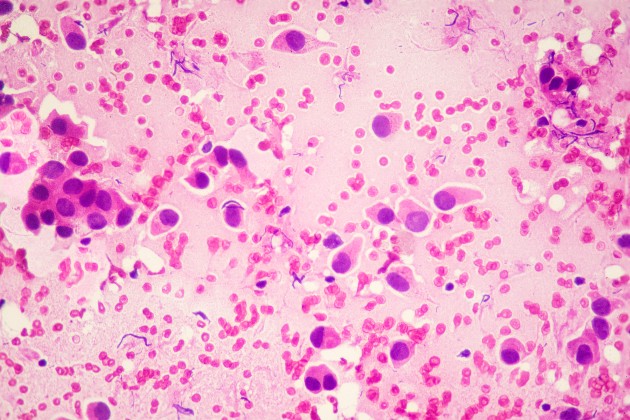
Most female breast cancers begin in the ducts which are the tiny tubes that carry milk through to the nipple.
What are the risk factors?
It could be a combination of factors, with the most important being getting older and being female.
Family history and inherited gene alterations – such as mutations of the BRAC1 or BRAC2 genes – can increase risk, although only a minority of breast cancers are thought to be linked to these inherited genetic changes.
Having dense breast tissue can also affect risk.
There are also some potentially associated modifiable factors such as alcohol consumption, smoking, physical inactivity and being overweight – particularly after menopause.
Our participation sends a powerful message: early detection saves lives
What are some of the signs and symptoms?
While screening is an important preventative measure for those without symptoms, it’s equally important that people know what changes to look out for between appointments and when to seek advice.
People should become familiar with what’s normal for their own breasts, chest, and nipples, and report any changes that are new or unusual for them.
These may include:
- new swelling in the breast, chest or arm pit
- change in size and shape of breast
- redness or another range in skin colour
- appearance of the nipple
- any nipple discharge.
A GP or health professional should assess any new or unusual symptoms even if a recent mammogram is clear.
What does screening involve?
For those attending for a routine screening appointment, the NHS uses mammography (a low-dose X-ray). It’s quick and usually described as a feeling of pressure, not pain.
- The person will be asked to undress from the waist upwards in private.
- A trained mammographer will explain the process and position the breast on the X-ray machine.
- The breast is briefly compressed to keep it still and obtain clear images.
- Usually, two views are taken of each breast – one from above and one from the side.
- Specialist staff review the images.
Find out about tests and next steps for breast cancer in men.
Other than reduced mortality rates and better treatment outcomes, what are the other benefits to screening?
A mammogram (low-dose X-ray) can pick up breast cancer that is too small to feel or see. And early detection and subsequent treatment are often more cost-effective, minimising the personal and financial burdens that come with advanced cancer care.
Ten ways to support your patients
Depending on your role, and level of practice, there are several ways you can have an influence. Shannon offers the following advice.
- Ask sensitively about new breast changes.
- Explain the difference between general screening and a diagnostic appointment.
- Encourage people with symptoms to contact their GP promptly rather than waiting for screening.
- Explain a mammogram (breast screening) and what it involves.
- Remind eligible patients of the importance of screening even when they feel well and have no family history.
- Signpost patients to useful resources, their GP, health professional.
- Use the teach-back method to help ensure patients understand.
- Reflect on local uptake data and work with public health, primary care and screening colleagues to address gaps.
- Make sure your own screening and health checks are up to date.
- Don’t be dismissive based on assumptions such as gender or pregnancy.

How and when to check breasts?
While attending screening appointments is critical, breast awareness plays an equally vital role.
There’s no strict medical schedule, but it’s a good idea to check regularly, about once a month. The idea isn’t to follow a rigid timetable, and we don’t want to encourage repeated or forceful examination because that can increase anxiety.
Many people choose the first of the month because it’s easy to remember and charities such as CoppaFeel! send out reminders.
Checking your breasts doesn’t need to be complicated. You want to look by standing in front of a mirror with your arms by your sides, then raised, looking for changes in shape, size, skin texture, or the nipple.
Have a feel using the flat part of your fingers to feel all around the breast and up into the armpit. You can do this in the shower, lying down, or while applying moisturiser.
It’s important to remember that screening is for people without symptoms. If someone has a symptom, they should seek a clinical assessment rather than wait.
What role can nursing staff play?
As educators, advocates and role models, nursing staff can play a vital role in improving breast awareness and encouraging screening uptake. We can help people recognise potential symptoms, tackle misconceptions and feel more confident about attending appointments.
Improving screening uptake is also key to reducing health inequalities. People facing deprivation, language barriers, disability, cultural stigma, mental health difficulties or limited access to transport may be less likely to attend.
We also need to prioritise our own health. Time pressures, demanding workloads and assumptions that clinical knowledge offers protection can all act as barriers to screening attendance. Employers and managers should foster workplace cultures that support staff to attend screening without stigma or unnecessary obstacles.
Ultimately, screening is a personal choice, but nursing staff can help ensure those choices are informed.
Screening only takes 10 to 15 minutes but can make all the difference
- Your next read: Cancer care: addressing inequalities for the trans community
What about treatment?
The treatment you'll have for breast cancer depends on many things, but the main treatment for breast cancer is usually surgery.
Other common treatments include chemotherapy, radiotherapy, treatment with hormones (hormone therapy), and targeted medicines and immunotherapy.
Find out more
Anyone can get breast cancer. Take a look at breast cancer in women on the NHS website.
Find out more about breast cancer in men on the NHS website.
Join the RCN Cancer Forum.


