I recently had the opportunity to travel to Cape Town as part of a volunteering project with the East of England Children and Young People’s Diabetes Network. The aim was to support, educate and empower young people aged 14–19 living with type 1 diabetes, while working in partnership with local teams to share knowledge and strengthen practice.
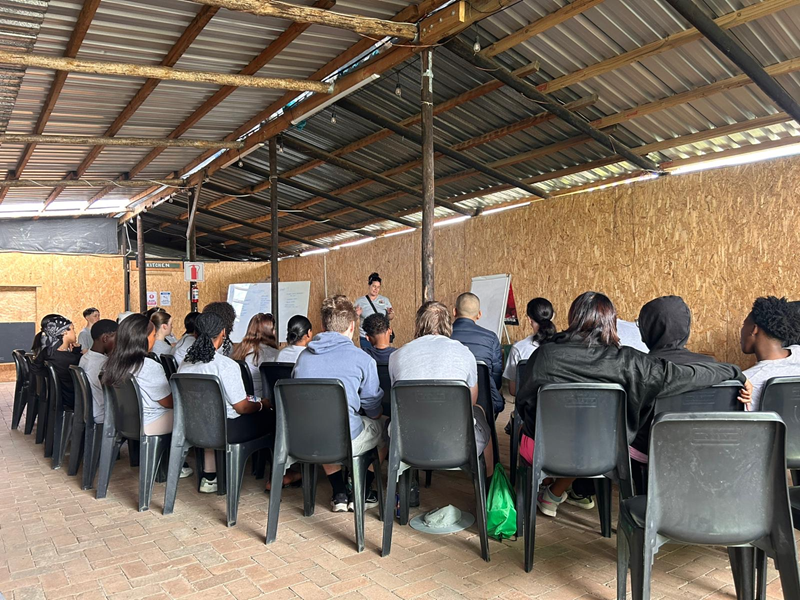
In collaboration with Tygerberg Hospital, we delivered a diabetes camp for young people from their caseload who live in townships including Langa and Khayelitsha, where poverty and limited access to healthcare can make managing a long-term condition particularly challenging. The camp also brought together young people from the East of England and Cape Town, creating a meaningful opportunity for shared learning, mutual support and connection. Despite differences in background and healthcare access, the similarities in their experiences of living with diabetes were striking.
Each day combined educational sessions, team-building activities and practical projects such as gardening, painting and improving shared spaces. These shared experiences created opportunities to build trust, encourage open conversations and gain a deeper understanding of the young people’s daily lives. Delivering education in this environment reinforced the importance of flexibility and adapting communication to meet individual needs. It also highlighted how informal, relationship-based approaches can enhance engagement and learning.
We delivered practical workshops focused on developing knowledge of diabetes, building confidence in self-management, and promoting independence. A key reflection was the contrast in education provision following diagnosis. In the United Kingdom, structured and ongoing education is embedded within care. However, many of the young people we worked with had received limited education beyond diagnosis. This highlighted the significant impact that access to consistent education can have on confidence, safety and long-term outcomes.
Creating a safe, inclusive and supportive environment was central to the camp. It enabled young people to share their experiences openly, learn from one another and feel less isolated in managing their condition. What stood out most was their resilience, positivity and determination, despite facing significant social and economic challenges. Their engagement and willingness to learn were both inspiring and humbling, reinforcing the importance of compassionate, person-centred care.
Sustainability was a key focus throughout. We worked alongside local healthcare professionals, sharing knowledge and supporting education delivery, while also engaging with families and carers to strengthen support networks beyond the camp. This emphasised the importance of collaboration and recognising that effective care extends beyond the individual to the wider community.
Being immersed in a different healthcare setting brought health inequalities into clearer focus. It prompted reflection on the wider determinants of health and the role nurses play in advocating for equitable access to care. This experience strongly resonated with the core values of the nursing profession, particularly compassion, communication and commitment. It reinforced the importance of listening to individuals’ experiences, adapting care to meet diverse needs, and continuing to advocate for those whose voices may not always be heard. It also highlighted the need for courage in addressing inequality and challenging barriers to care, alongside the importance of reflection and self-care in sustaining a compassionate and resilient workforce.
Returning to practice, I feel a renewed sense of purpose and professional responsibility. This experience has strengthened my commitment to supporting children and young people living with diabetes and to advocating for equity in care, both locally and globally. It has reaffirmed that nursing is grounded in compassion, inclusivity, respect and partnership, values that remain constant, regardless of setting.

 Share on Facebook
 Share on LinkedIn


