My experience as a nurse in oncology taught me that despite excellent training, nothing truly prepares you for the emotional weight of grief. Over 11 years in oncology and palliative care, death became routine in my working life. But it was never routine. Each loss affected me, my colleagues, and the families we cared for. What struck me was how unprepared we all were - not clinically, but emotionally.
This realisation stayed with me when I moved into nursing education, but it was during my three years as a Clinical Educator that I truly understood what healthcare professionals need most. Newly qualified nurses would seek emotional support due to a difficult bereavement and would be unsure if what they were feeling was normal. Experienced nurses would confide their accumulated grief. Sometimes, colleagues would share how caring for bereaved families had resonated with their own losses - a reminder that our personal grief can strike a chord when we are supporting others through theirs. I was offering something that wasn't formally part of my role but was absolutely essential - permission to acknowledge that death and dying are part of life that must be acknowledged, not ignored.
Our undergraduate students experienced the same. I watched our students go out on placement full of clinical knowledge but anxious about encountering death and dying. They would return with stories of feeling helpless when patients died, unsure of what to say to families, and uncertain whether their own emotional responses were "professional." That is when it became clear: if we want sustainable careers, we must embed wellbeing from the start. Grief literacy isn't optional - it's foundational.
Bringing support directly to students
This passion led me to join Bereaved NI Network, a regional approach involving a number of organisations providing essential bereavement care in Northern Ireland. When National Grief Awareness Week approached, I saw an opportunity. What if we could bring these organisations directly to our students?
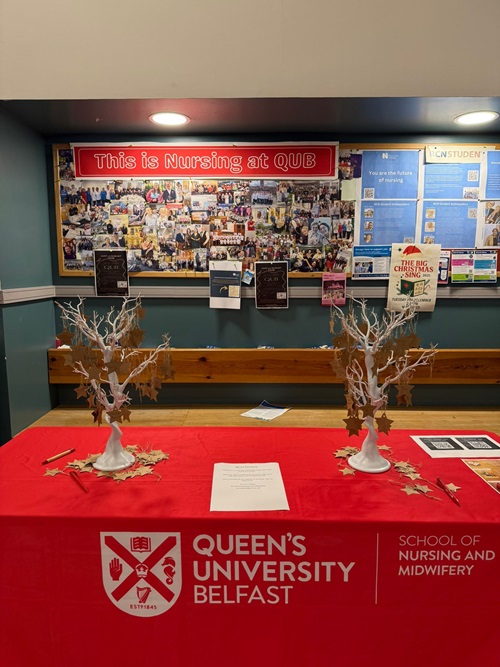
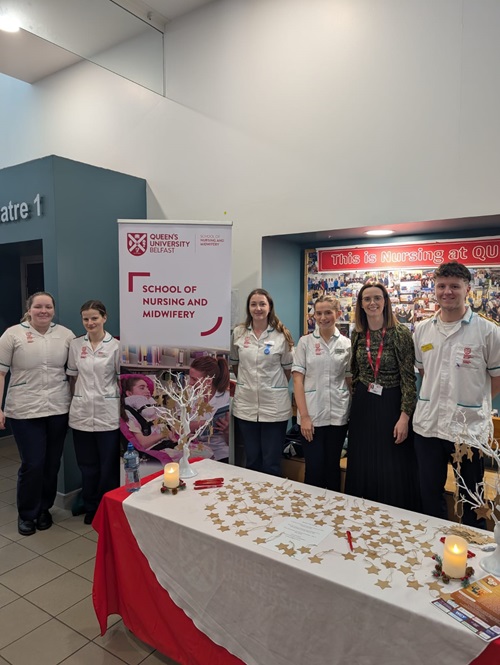
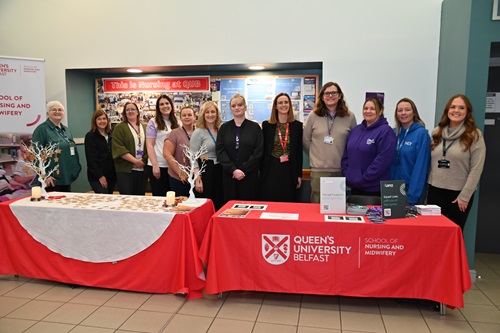
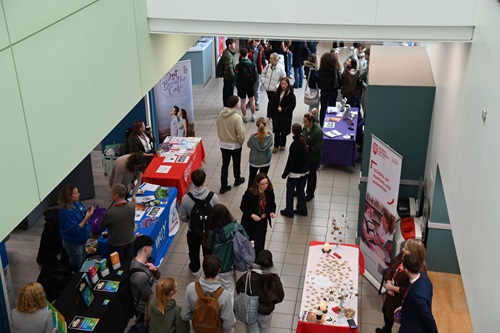
On 2nd December 2025, we held our Grief Awareness Day at Queen's University Belfast. Eleven organisations came together - from Cruse Bereavement Support to specialist organisations like Sands and PIPS Suicide Prevention Ireland.
Students moved between information stands asking questions about referral pathways. They listened to presentations from practitioners who work with bereaved people daily. Many contributed to our Memory Tree - dedicating a star to those they'd lost.
What made this powerful was not just the information. It was the permission it gave students to acknowledge that caring for dying patients is emotionally demanding. One student said afterward, "Before today, I was terrified of saying the wrong thing to bereaved families. Now I feel like I have actual tools and resources."
Moving forward
We are planning to make this an annual event, with organisations exploring how we might integrate grief literacy more deeply into our curriculum.
To educators: bringing bereavement organisations into your institution is not complicated. Many charities are eager to connect with future healthcare professionals.
To nursing students and newly qualified nurses: feeling affected by patient deaths does not make you unsuitable - it makes you human. Seek support. Talk to colleagues. Your wellbeing matters.
We cannot prepare students for every scenario, but we can ensure they know where to find support - for patients, families, and themselves. That's grief literacy in nursing education.
Further resources

 Share on Facebook
 Share on LinkedIn


