A moment that stayed with me
Early in my clinical career, I cared for a couple who had experienced pregnancy loss. Their grief was obvious, but there was something more they were trying to tell me. English was not their first language, and at the time, I struggled to fully understand what they needed.
Eventually I realised they wanted their religious leader to pray over their baby’s remains, even if that had to happen over the phone. I remember the discomfort I felt when I finally understood. I hadn’t been dismissive or unkind, but I didn’t respond quickly enough to what mattered most to them. Clinically, care had been safe. Holistically I feel I would have done better.
That moment never left me. Now, in nursing education, it shapes how I prepare for the next generation of nurses. Technical excellence alone is not enough. Nursing is about understanding people, not just conditions.
Culture is no longer optional in nursing
Healthcare in the UK, including Northern Ireland, is becoming increasingly diverse. Our students will care for people whose beliefs, languages, values, and expectations may differ from their own. Cultural competence is no longer an occasional consideration, it is part of everyday practice.
But cultural competence is often misunderstood. It's not about memorizing facts about different cultures. It is about respect, curiosity, and asking people what matters to them. It’s about recognising that we all bring our own cultural lens into practice, shaped by our upbringing, experiences, and values.
Why lectures aren’t enough
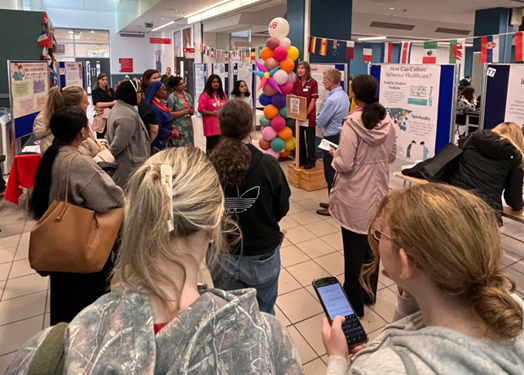
Traditional lectures alone don’t cut it. Students often worry about saying the wrong thing or feel unsure in unfamiliar cultural situations. That’s why we developed a cultural sensitivity event for first year nursing students at Queens University Belfast.
Working with other colleagues, NHS practice partners, community groups, patient representatives, and nursing students, we created storytelling soapboxes, interactive posters, audio recordings, and reflective writing spaces.
Students heard real stories about communication barriers, unintentional assumptions, and the emotional impact of not feeling heard or respected. One student reflected, saying, “I didn’t realise how much I didn’t know.” That honesty told me meaningful reflection was already happening.
What changed
Students reported feeling more confident approaching culturally sensitive care. More importantly, they began reflecting on their own cultural identities and how these shape their practice.
That shift from seeing culture as something that belongs only to patients, to recognising your own cultural lens, is where cultural humility begins. Many students asked for more sessions like this, which tells me this kind of learning hits home in a way that a lecture simply cannot.
What this means for you
For educators: meaningful change doesn’t always require large resources. Community partnerships, lived experience, and safe spaces for open discussion can have a profound impact.
For students: feeling uncertain about cultural differences is not a weakness, it is the start of learning. Keep asking questions and keep listening, that is where humility and genuine person-centered care begin.
If we want nurses who can truly connect with every patient in our diverse society, we need to start these conversations from day one. We are embedding this event into our annual curriculum and I hope it inspires others to do the same.



 Share on Facebook
 Share on LinkedIn


